 90%
90% 75%
75% USA
USA Canada
 Australia
 UK
UKInside the Platincasino Case and the Problem With Casino Licensing


Germany is investigating an alleged illegal online gambling operation involving Platincasino after authorities identified approximately €5.86 billion in wagers between July 2021 and the end of 2023. The unlicensed betting activity reportedly resulted in €250 million in unpaid gambling tax. Investigators honed in on Platincasino after a Malta Gaming Authority (MGA) hack, for which German journalist Lilith Wittmann claimed responsibility.
The investigation raises a key question for online casino players: How can a casino with a recognized gambling license allegedly operate illegally in another country? The answer lies in the difference between holding a license and being authorized to accept players in a specific jurisdiction.
What Happened with Platincasino?
Platincasino has operated under different owners and licenses over the years. Its legal status became more complicated after Germany launched its regulated online gambling market. The timeline below shows how the casino went from operating under a Malta license to becoming part of a German investigation.
- 2017: Platincasino began operating through Red Rhino Ltd, under an MGA license.
- July 2021: Germany opened its regulated online gambling market, creating a system for licensed operators to legally accept German players, called the Gemeinsamen Glücksspielbehörde der Länder (GGL). According to Wittmann’s reporting, Platincasino’s owner Thomas Kalman applied for a German license but was denied.
- July 2021 onward: German prosecutors allege that Platincasino continued accepting German players without the required authorization. Authorities later estimated that players placed approximately €5.86 billion in wagers on the site between July 2021 and the end of 2023.
- September 2023: Germany’s gambling regulator imposed a €50,000 coercive fine on Red Rhino for continuing to offer unauthorized wagers to German players.
- 2023: Platincasino’s brand, domains, and player database were reportedly sold to Curaçao-based Latiform B.V. for €6 million.
- Sept. 8, 2026: German authorities investigated alleged illegal gambling operations, and Kalman was arrested.
- Sept. 17, 2026: Germany’s gambling regulator confirmed that the investigation concerned Platincasino.
Wittmann and other international media outlets separately reported on documents taken from MGA systems during the 2026 breach. The documents reportedly showed links between Platincasino and other Malta-based companies. These media findings provide additional details about the casino’s operations, but they are separate from the claims and allegations made by German authorities.
Why a Gambling License Doesn’t Tell the Whole Story
The Platincasino case highlights a common misunderstanding about online gambling licenses. A casino displaying “licensed and regulated by” a recognized authority can give the impression that it has been cleared to operate wherever its website is available. A gambling license doesn’t always work that way.
Players should consider three questions when looking at online gambling licenses:
- Is the license genuine? A regulator’s official register should confirm that the named operator holds the claimed authorization.
- Does the authorization cover the casino? The license should apply to the relevant operator, brand, and website or domain.
- Can it accept players where I live? Authorization in a foreign jurisdiction does not automatically allow a casino to accept customers in another.
Germany has its own online gambling licensing system, and the GGL maintains a whitelist of authorized operators. A company holding a foreign license cannot assume that authorization allows it to accept German players.
The same principle applies elsewhere. In the United States, online casino licenses are generally issued at the state level, while Canadian gambling regulation is largely handled by provinces and territories. An operator’s authorization in a state or province does not automatically extend nationwide.
Why Players Should Verify a Casino License Themselves
The Platincasino investigation is a reminder that players should independently verify a casino’s licensing claims before registering, sharing personal information, or making a deposit. A regulator’s logo on a website is not a substitute for checking its official records.
There are several steps players can take:
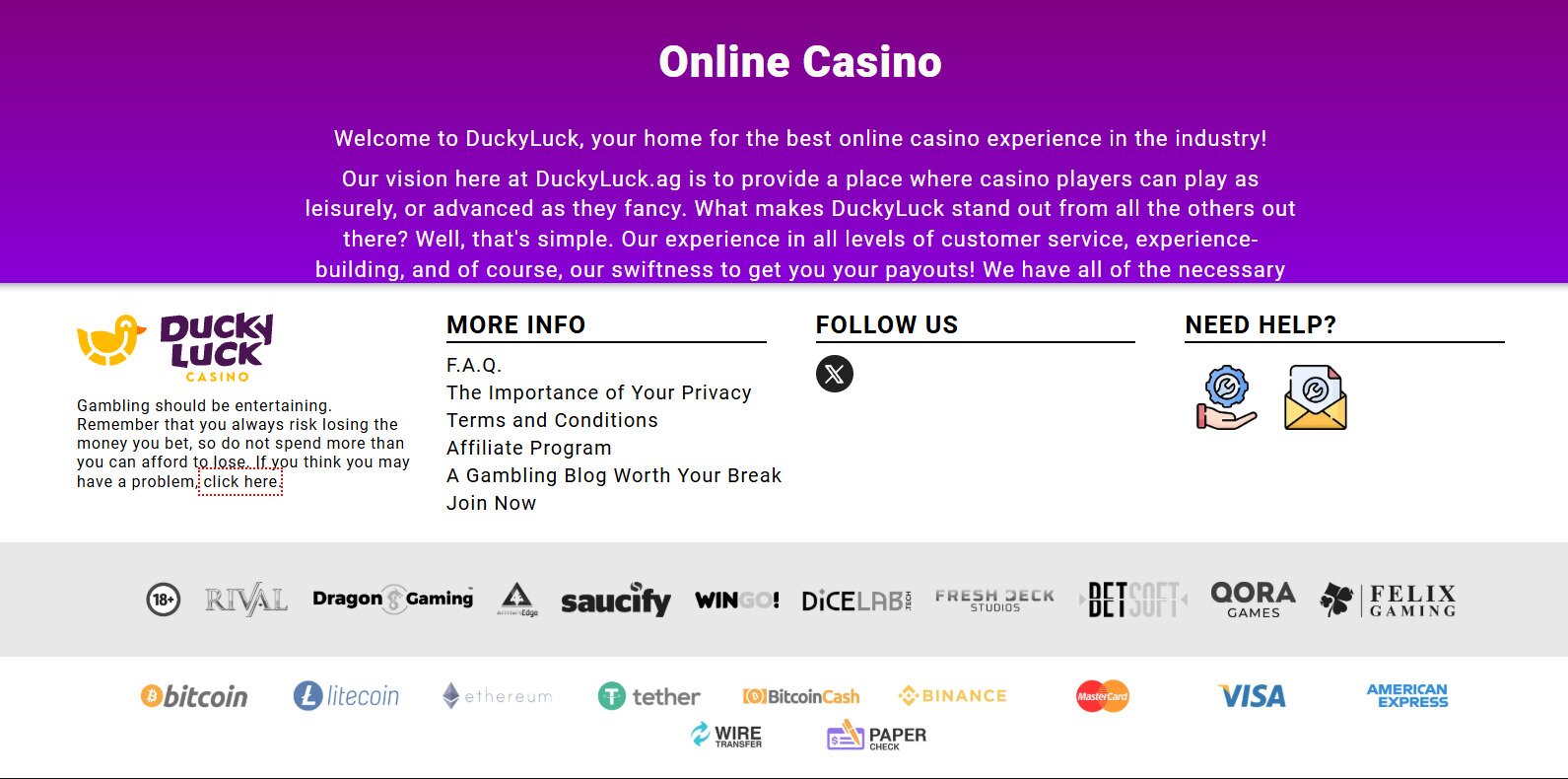
Check the casino’s footer, terms and conditions, and other legal information for the legal company name behind the brand.
Go directly to the gambling regulator’s official website or license register. Search for the operator rather than relying on a license number, badge, or regulatory logo displayed by the casino. You can always contact the casino directly to verify the license.

Finding the operator in a regulator’s database is only part of the process. Where regulators identify approved brands, websites, or domains, make sure the specific casino you are visiting is covered.

Determine whether the operator is allowed to accept players where you are physically located. In Germany, the GGL directs players to its official whitelist to identify authorized gambling operators.
Players should be cautious when a casino provides no clear licensing information, uses a company name that does not match regulatory records, makes unsupported claims about being “fully licensed,” or cannot be found through the regulator it claims oversees it.
These checks can help players understand who operates the casino, which regulator oversees it, and where the operator is authorized to provide gambling services.
A Casino License Should be the Start of Your Research
The Platincasino investigation demonstrates why “licensed” and “legal for me to use” are not interchangeable. An operator can hold authorization in one jurisdiction while facing separate legal requirements in another.
Operators and regulators are responsible for complying with and enforcing applicable gambling laws. Players can add another layer of protection by independently checking a casino before handing over personal information or money.

Identify the operator ➡️ verify the license ➡️ confirm the casino/domain ➡️ check local authorization.
The Platincasino case does not mean every foreign-licensed casino is operating illegally. Instead, it highlights the importance of looking beyond a licensing claim and establishing exactly what that license covers.
Seeing a recognized regulator’s name should be a reason to investigate the license, not a reason to stop investigating.


