90%
 75%
 USA
 Canada
 Australia
 UK
10 Games Like Blackjack
Casino games like blackjack are perfect for players who love fast action and real-money thrills. While blackjack is the classic choice, plenty of other games bring their own twists while still giving you that head-to-head battle against the house.
In this guide, we’ll walk you through 10 games similar to blackjack that are worth checking out. Some feel almost identical to 21, while others are totally different—but they all bring the same rush of excitement and offer a fun alternative to blackjack.
| #1 | Craps |
| #2 | Ultimate Texas Hold’em |
| #3 | Pai Gow Poker |
| #4 | Caribbean Stud Poker |
| #5 | Casino War |
| #6 | Baccarat |
| #7 | Pontoon |
| #8 | Roulette |
| #9 | Three Card Poker |
| #10 | Mississippi Stud |
Here’s what we’ll send you when you subscribe:
- 60 free spins
- A $10 free bet
You can cash out up to $450 in winnings with these bonuses. They won’t stick around long, so hurry and claim these bonuses while you can.
1. Craps
Craps offers the same fast-paced casino action as blackjack, with a house edge of 1.36%–1.41% on Don’t Pass and Pass Line bets. Instead of playing cards against a dealer, you’re betting on the outcome of two dice, with multiple wagering options available throughout each round.
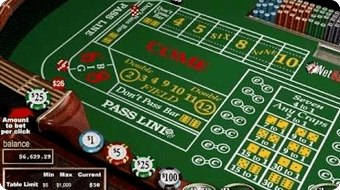
At its core, craps is simple: you’re betting on the outcome of a roll of two dice. The shooter (the person rolling) makes a “come out” roll, and everything flows from there. Rolling a 7 or 11 on the come-out roll means instant win, while a 2, 3, or 12 means instant loss. Any other number becomes the “point,” and the goal is to roll it again before hitting a 7.
The table might look intimidating, with dozens of betting options scattered around, but most players stick to the pass line, don’t pass, or come bets. Craps combines excitement and good odds, making it a natural choice for blackjack players looking to explore different casino games.
2. Ultimate Texas Hold’em
Ultimate Texas Hold’em shares blackjack’s head-to-head format against the dealer, with a 2.19% house edge relative to the initial Ante when using optimal strategy. This poker variation gives you several opportunities to make betting decisions as community cards are revealed, making strategy an important part of each hand.
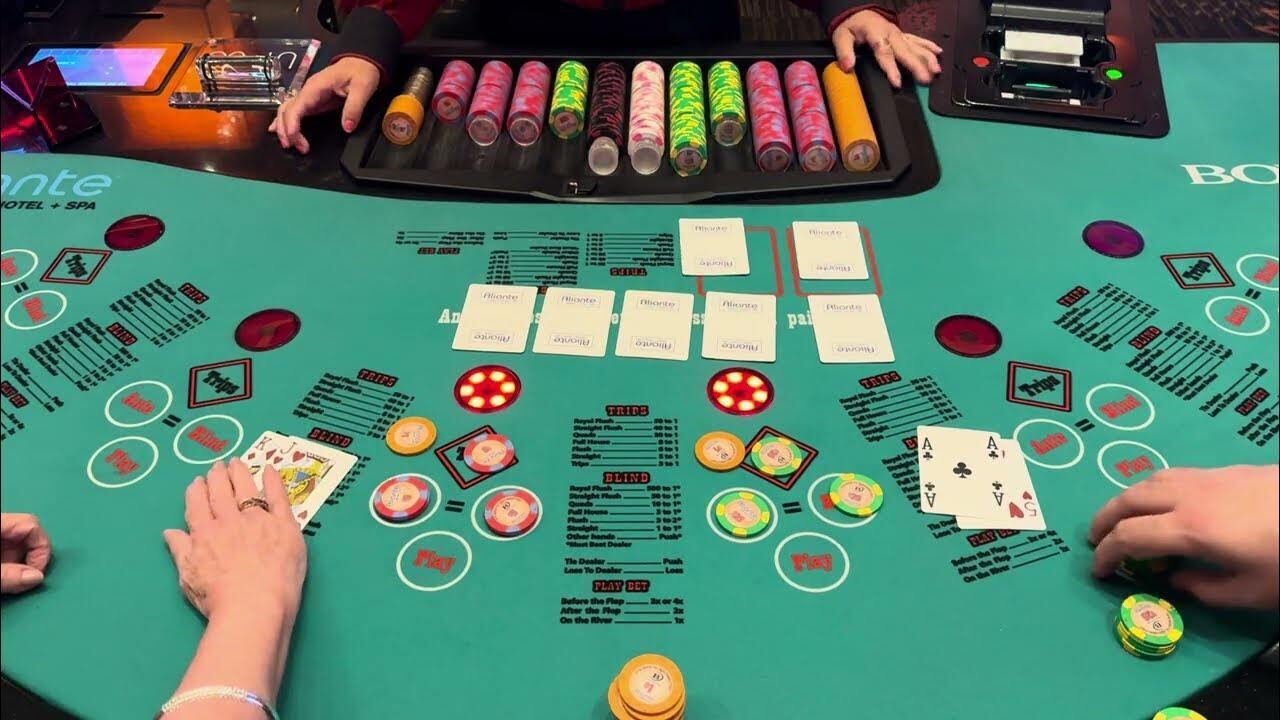
Ultimate Texas Hold’em plays much like the original poker game but with a few key differences. For starters, you’re not squaring off against a table full of players—just the dealer. And unlike regular Hold’em, betting is limited, with only one raise allowed per round of betting.
Casinos love the game because it gives poker fans that Texas Hold’em vibe without dedicating entire poker rooms. Players love it too, since it combines familiar poker strategy with the fast-paced action of blackjack.
3. Pai Gow Poker
Pai Gow Poker pits players against the dealer like blackjack, with a house edge of around 1.46% under common commission rules and an appropriate strategy. Up to six players can participate, with each receiving seven cards to divide into a five-card high hand and a two-card low hand.
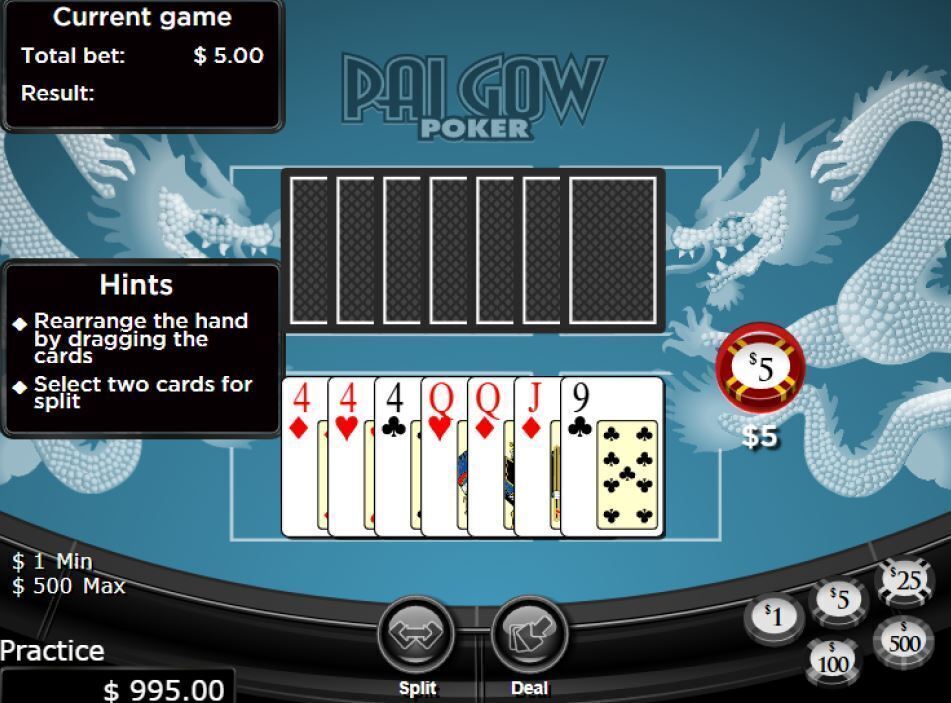
The game’s rules can vary by casino, and not knowing them could cost you. For example, in Nevada casinos, an A-2-3-4-5 straight is ranked as the second highest straight. But in California and Michigan, that same hand is treated as the lowest straight possible.
4. Caribbean Stud Poker
Caribbean Stud Poker recreates blackjack’s one-on-one competition against the dealer, with a 5.22% house edge under standard rules and optimal strategy. Instead of trying to reach 21, you receive five cards and decide whether to fold or raise based on your hand’s strength and the dealer’s exposed card.

The game plays much like five-card stud. You place an ante, get your five cards, and the dealer takes five as well (with one card face-up). From there, you can either fold and lose your ante or raise to stay in the hand. The dealer needs at least an Ace-King to qualify; if not, players are automatically paid on their ante bets.
What keeps the action exciting are the payouts. Stronger hands pay out at higher odds, with a royal flush delivering the biggest jackpot-style win. There’s also usually a progressive side bet for even bigger payouts.
5. Casino War
Casino War follows blackjack’s player-versus-dealer format, with a house edge of 2.88%–2.90% when you choose to go to war on ties. Both sides receive a single card from a six- to eight-deck shoe, with the higher card winning the round.

When a tie happens, the player can either surrender and lose half their wager or go to war by doubling down. In the war scenario, both sides get another card. If the player’s new card beats the dealer’s, the original bet is paid. If not, both the initial and the extra wager are lost.
It’s quick, straightforward, and all about the thrill of luck—perfect for anyone looking for a blackjack alternative with zero learning curve.
See Also: The Best Blackjack Casinos Online
6. Baccarat
Baccarat shares blackjack’s card-based gameplay and relatively low house edge, with Banker bets at 1.06% and Player bets at 1.24% under standard commission rules. Instead of aiming for 21, you bet on which of two hands will finish closest to nine.

In this version, the house plays as the bank (Banco), while the player (Punto) tries to come out on top. Each hand ends in a player win, a bank win, or a tie. Like blackjack, baccarat is dealt from a multiple-deck shoe, usually six to eight decks. Two cards are dealt face-up to both the player and bank. Tens and face cards count as zero, while all other cards keep their face value.
Here’s the twist: only the last digit of your total matters. For example, a hand of 7 and 7 adds to 14, which plays as 4. If either side hits an 8 or 9, called a “natural,” the round ends. Otherwise, the banker may draw a third card based on preset rules.
If you’re looking for some excitement and choosing between baccarat vs blackjack, give punto banco a chance and have some fun at the baccarat table for a change.
7. Pontoon
Pontoon follows blackjack’s goal of reaching 21 without busting, with a house edge of 0.38% under common eight-deck casino rules when using optimal strategy. The game uses standard 52-card decks, including all four numbered 10s, and deals both dealer cards face down, adding more uncertainty to each hand. A natural Pontoon (an Ace and a 10-value card) pays 2:1, as does a five-card trick, while the dealer wins tied hands.

Typically, a natural Pontoon (an Ace and a 10-value card) pays 2:1. A five-card trick (drawing five cards without exceeding 21) also pays 2:1. All other winning hands pay even money, and the dealer wins all ties.
Pontoon has a few other quirks, including different terms for familiar blackjack moves. Players “twist” to hit, “stick” to stand, and “buy” to double down, making it an easy game to pick up if you’re already familiar with blackjack.
8. Roulette
Roulette shares blackjack’s quick betting rounds, with a house edge of 2.70% on European wheels and 5.26% on American wheels. Instead of making decisions about cards, players bet on where a ball will land on a spinning numbered wheel.
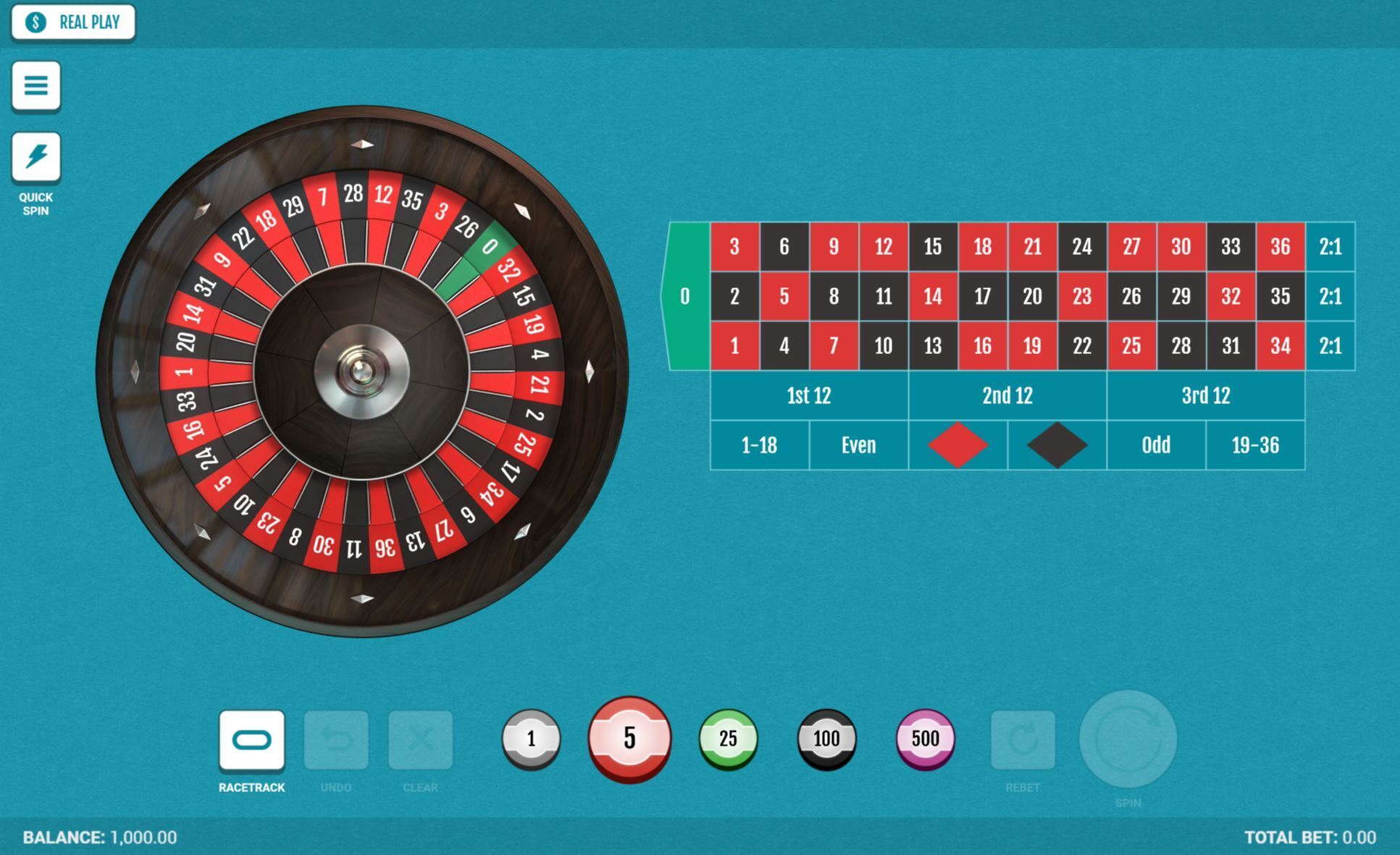
The premise is simple: place a bet on where the ball will land. You can back a single number for a big payout, or go with options like red/black or odd/even for close to 50/50 odds. A straight-up bet pays 35 to 1, making every spin a chance at a big score.
European roulette (single zero) offers a friendlier house edge than American roulette (double zero), but both versions deliver the same drama as the ball clatters around the wheel before settling.
9. Three Card Poker
Three Card Poker combines blackjack’s fast rounds and direct competition against the dealer, with a 3.37% house edge on the Ante bet under standard rules and optimal strategy. You receive three cards and decide whether to fold or continue playing against the dealer’s hand.
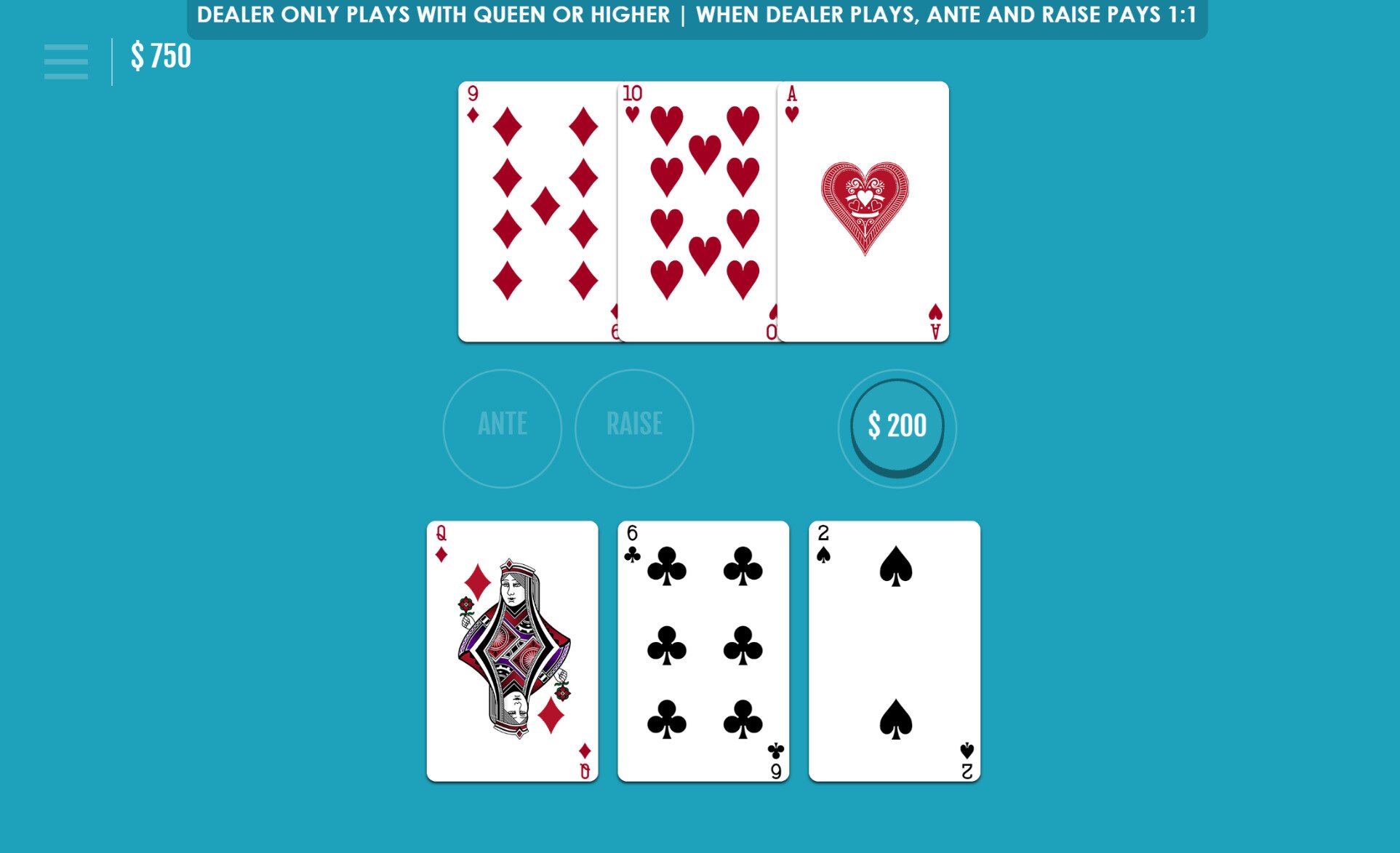
The game begins with an ante bet, after which you receive three cards. From there, you can fold and give up the ante or raise to continue. The dealer’s hand must qualify with at least Queen high—if not, you win automatically on your ante.
If the dealer does qualify, the stronger three-card hand takes the pot, with bonus payouts for big hands like straights and flushes. There’s also the option of side bets, which pay out based on the strength of your hand regardless of what the dealer holds.
10. Mississippi Stud
Mississippi Stud shares blackjack’s strategy-based betting decisions, with a 4.91% house edge relative to the initial Ante when using optimal strategy. Rather than trying to beat the dealer, you build a five-card poker hand through several betting rounds, deciding whether to fold or raise as community cards appear.

The game starts with an ante. You receive two hole cards, while three community cards are dealt face-down in the center. After seeing your first two cards, you can fold or make an additional bet. As each community card is revealed, you’ll have the same choice: fold or raise. The goal is to build the best possible five-card poker hand, with payouts based on a paytable rather than beating an opponent.
Comparing Blackjack’s House Edge to Other Casino Games
Blackjack has one of the lowest house edges in casino gaming, typically around 0.5% with favorable rules and correct basic strategy. Some alternatives come close, although the odds vary depending on the game, betting options, and payout rules. Here’s how blackjack’s house edge and theoretical return to player (RTP) compare with some common alternatives.
| Casino Game | House Edge | Theoretical RTP |
|---|---|---|
| Blackjack | 0.50% | 99.50% |
| Craps | 1.36%–1.41% | 98.59%–98.64% |
| Ultimate Texas Hold’em | 2.19% | 97.81% |
| Pai Gow Poker | 1.46% | 98.54% |
| Caribbean Stud Poker | 5.22% | 94.78% |
| Casino War | 2.88%–2.90% | 97.10%–97.12% |
| Baccarat | 1.06%–1.24% | 98.76%–98.94% |
| Pontoon | 0.34%–0.42% | 99.58%–99.66% |
| Roulette | 2.70%–5.26% | 94.74%–97.30% |
| Three Card Poker | 3.37% | 96.63% |
| Mississippi Stud | 4.91% | 95.09% |
Blackjack Variations Explained
Blackjack comes in several variations that change how cards are dealt, which moves players can make, and how winning hands pay out. Spanish 21, Blackjack Switch, Double Exposure, Super Fun 21, and Free Bet Blackjack all follow the familiar goal of beating the dealer without exceeding 21, although each has rules that affect strategy and the house edge.
Here’s how five popular blackjack variations work, including their defining features and the rules worth knowing before playing.
Spanish 21
Spanish 21 uses 48-card decks with the four numbered 10s removed while keeping Jacks, Queens, and Kings. Players receive more flexibility when doubling down and splitting pairs, along with bonus payouts for certain hands. A five-card 21 pays 3:2, a six-card 21 pays 2:1, and a seven-card 21 pays 3:1.
The house edge ranges from 0.40% to 0.76% under common rules with the correct strategy. Spanish 21 also allows a player’s total of 21 to beat the dealer’s 21, making it an interesting option for players familiar with traditional blackjack.
Blackjack Switch
Blackjack Switch involves playing two hands simultaneously, with the option to swap the second card between them. For example, if your first hand contains a 10 and a 5, while your second contains a 6 and an Ace, you can swap the 5 and Ace to improve your starting hands.
Natural blackjacks pay 1:1 instead of the usual 3:2, and a dealer total of 22 results in a push against most surviving hands. With six decks and optimal strategy, the house edge is 0.58%.
Double Exposure Blackjack
Double Exposure Blackjack deals both dealer cards face up, allowing players to see exactly what they’re up against before making a decision. This removes much of the uncertainty associated with the dealer’s hidden card and changes how players approach hitting, standing, and doubling down.
To account for the additional information, the dealer typically wins tied hands other than tied blackjacks, and natural blackjacks pay 1:1. The house edge varies considerably between casinos, with the available doubling and splitting rules playing an important role.
Super Fun 21
Super Fun 21 gives players more flexibility with their hands, including the option to double down on any number of cards, split Aces multiple times, and surrender after doubling. A five-card 21 pays 2:1, while certain hands containing six or more cards win automatically without needing to reach 21.
Most natural blackjacks pay 1:1, although a blackjack consisting of two diamonds pays 2:1. The house edge ranges from 1.16% in single-deck games to 1.40% with six decks, assuming the correct strategy.
Free Bet Blackjack
Free Bet Blackjack allows players to double down on hard totals of 9, 10, or 11 and split most pairs without risking additional money. The casino covers the extra wager through a free bet, although players still risk their original stake.
A dealer total of 22 pushes against most remaining player hands instead of counting as a bust, which significantly affects the odds. Under standard six-deck rules, Free Bet Blackjack has a 1.04% house edge with optimal strategy.
Casino Games Like Blackjack FAQs
Yes, but it rarely pays off. Counting works in some blackjack variants like Spanish 21, though the missing 10s weaken it. In baccarat, the gain is tiny and impractical, and online games with frequent or continuous shuffling make counting ineffective.
Baccarat and Casino War are the easiest starting points because they require almost no decisions. If you already know basic blackjack rules, Pontoon or Spanish 21 adds a few new twists without a steep learning curve.
Yes. Many online casinos offer demo or free-play modes for RNG table games like blackjack, baccarat, and roulette, so you can practice without risking money. Live dealer games usually require a funded real-money account.
Yes, for most beginners. Blackjack has one goal: beat the dealer without going over 21. Poker requires learning hand rankings and reading opponents. Dealer-banked games like Three Card Poker offer a middle ground between the two.
Explore More Casino Games like Blackjack
Blackjack may be the king of the casino floor, but it’s far from the only banked game worth your time. From baccarat and roulette to craps and Caribbean Stud, each offers its own take on that classic player-versus-house showdown.
Whether you stick to cards or branch out to dice and wheels, these games deliver the same blend of suspense, quick action, and the chance to score big. If you’re looking to mix up your blackjack routine, any of these options make for a perfect next stop.