 90%
 75%
 USA
 Canada
 Australia
 UK
Your Casino is Scoring More Value from Bonuses Than You Are


Bonus offers like cashback can feel like a breath of fresh air after a losing streak. Many players will see emails with headlines saying something like “As a thank you for playing on our site, here’s a $25 bonus on our slot of the week.” These kinds of emails can make it feel like you hit the jackpot. But before you chalk it up as a reward for your loyalty, consider what the casino might expect you to do to claim the bonus.
In the words of Braden Perry, a former senior trial attorney at the Commodity Futures Trading Commission, “Bonus targeting is a pricing decision.”
In September 2026, the New York Times reported that DraftKings used AI to find players who were more likely to keep betting and lose more after a promotion. So, the bonus you received may be the casino’s bet that $25 today brings back more than $25 later, through bigger deposits and longer gaming sessions. Here is what the Times reported, what DraftKings says, and how to read your next offer.
Not Everyone Gets the Offer: How Do Casinos Choose Players for Promotions?
According to the Times report, DraftKings began building a machine learning model for its gambling platform in 2023. It tracked how often players gambled, their daily balances, and how much they lost compared to their bets. Each player was then assigned an elasticity score based on an estimate of how much they would lose after a bonus. The higher the score, the more bonuses that player would be offered.
The report also cited Citizens Bank research estimating that DraftKings handed out around $3 billion in promotions in 2025 against their $8.7 billion gross gambling revenue.
Perry also explained that operators often score players based on how much a bonus might change their gaming behavior, and what that change could be worth to the casino.
Where DraftKings Stands
DraftKings has disputed the report’s account of how it sends out promotions. It told the NYT that its promotions are “directed towards customers who demonstrate sustained, engaged use of our platform, not towards customers based on their losses.”
Engagements and losses can be difficult to pull apart in casino math. Casinos have long ranked players by theoretical losses, which is an estimate of how much someone might lose based on how much and how often they bet. Casinos then hand part of that estimate back as perks, including bonuses.
It’s common for online casino operators’ total revenue to come mostly from a small group. A 2021 study of 140,000 British online gambling accounts by the National Centre for Social Research (NatCen) found that 5% of the biggest losses generated at least 70% of revenue.

By DraftKings’ own standards, a player who logs in daily, loses slightly more than they win, and deposits money once or twice a month qualifies as engaged. That same player also meets every criterion the model reportedly tracked.
The Times drew on interviews with more than 40 people who used to work with DraftKings, plus presentations, internal memos, Slack messages, and betting records from tests on users. However, when the NYT asked DraftKings about these materials, they said they could not respond since they had not seen or verified the records themselves.
The Responsible Gaming Model That DraftKings Abandoned
Some of the biggest concerns involve a responsible gambling tool that DraftKings developed but chose not to use. Former employees mention that the company had shelved plans to use the same data used for bonus targeting to predict which customer might develop a gambling problem.
One of the models started in mid-2024 to give players a risk score so that the company could offer them help to curb problem gambling habits. However, the project was shut down before it could reach DraftKings officials. Lori Kalani, DraftKings’ Chief Responsible Gaming Officer, told the NYT that company leaders made a collective decision not to use the predictive technology because they determined that it wasn’t evidence-based.
Perry sees that decision as real exposure. “Shelving a harm model creates a record. This is where I’d focus. If a company built a tool to flag risky players and chose not to use it, that decision will matter to regulators and plaintiffs’ lawyers,” he says. “We didn’t know” is a weak defense when you build the tool that would have told you. Financial firms learned this years ago.”
It’s also worth mentioning that DraftKings is facing a potential class-action lawsuit over using AI models to target vulnerable customers through promotions, as well as a similar investigation from the state of Massachusetts.
Other operators take a different approach to identifying gambling risks. FanDuel launched its Real-Time Check-In tool in May 2025, using machine learning to monitor deposit patterns and flag unusual transactions. When a deposit falls outside a player’s normal behavior, the system prompts them to review the amount and offers options to reduce it or set a deposit limit.
FanDuel also uses risk scoring to identify potentially harmful gambling behavior, with trained staff reviewing flagged accounts and determining whether further intervention is necessary. These systems allow the operator to identify potential risks and intervene when customers show signs of harmful gambling habits.
Small Gestures Keep Players Gambling
For the biggest losers, the hook is sometimes attention rather than cash. ProPublica reporter Jake Pearson spent approximately 10 weeks betting on DraftKings, chasing his losses. The operator invited him to a VIP showcase tryout roughly 24 hours after he lost around $1,800 in one evening.
Pennsylvania bettor Terry Thompson alleges that VIP hosts at FanDuel and DraftKings used gifts and betting credits to keep him gambling after he showed signs of addiction, according to a March lawsuit. He lost around $1.5 million, the Philadelphia Inquirer reported.
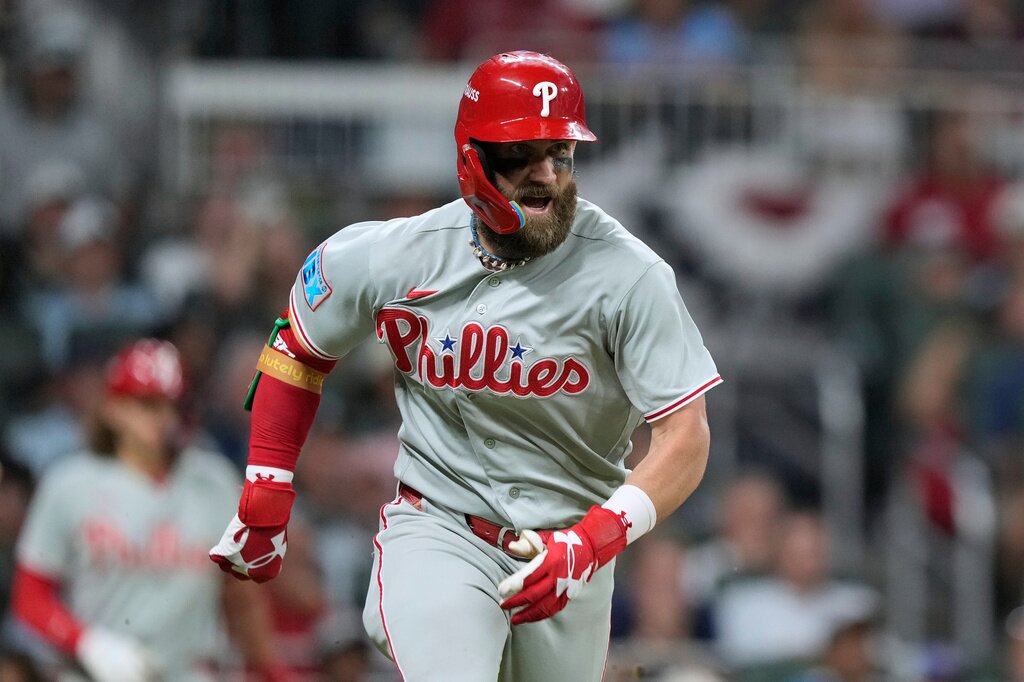
One of the gifts was a personalized Cameo video from Phillies star Bryce Harper, who later said he wouldn’t have made it if he knew that FanDuel was going to use the video in the manner that they did.
FanDuel told Congress that it had sent around 30 such videos over a 2-year period as a token of appreciation for customers’ loyalty.
The Bryce Harper video cost FanDuel almost nothing compared to a $1.5 million loss. However, for a fan who is told they are special, such a video can be a reason to keep playing simply because they feel seen.
How To Read Your Next Offer
You may never know why you were picked to receive a bonus offer, but the terms show what an offer costs you. Here are some of the most important details to check:

- Cash or credits: Most bonuses, even cashbacks, pay in credits that you can’t withdraw until you have met specific terms.
- Wagering requirements: If you get a $25 bonus at 15x rollover, it means you must place $375 in bets before you can receive the bonus cash.
- Bonus time limits and win caps: A bonus with a win cap automatically limits withdrawals. If it also has a short deadline, it means you also have to play faster.


