 90%
90% 75%
75% USA
USA Canada
 Australia
 UK
UKDebit Card Cash Advances at Casinos: What You Should Know


Getting cash at a casino with your debit card is simple enough since most casinos have an on-site ATM, and some will even let you pull cash directly from the casino cage. It’s a convenient option, but it comes at a cost. Casino ATMs may charge higher fees than your typical bank ATM, and depending on your bank, you could face out-of-network charges on top of that. Those fees add up fast if you’re not prepared going in.
The good news is that accessing your money doesn’t have to be confusing or expensive. This guide covers the main ways to get cash with your debit card, the fees you might run into, and tips for avoiding declined transactions and unnecessary charges.
Can You Get a Cash Advance at a Casino With a Debit Card?
You can get cash with your debit card at casinos, but it’s not the same thing as a cash advance. Debit cards only allow you to withdraw money you already have in your account. A cash advance, however, is like a short-term loan against your line of credit and comes with interest.
With that in mind, most casinos have ATMs where you can access your cash with your debit card. Some larger casinos also allow debit card withdrawals at the cashier or casino cage. These transactions are generally processed through payment providers such as Global Cash Access (GCA) and Everi. While ATMs are universally available, your options for casino cage withdrawals depend on their payment processing partnerships.
Before grabbing your debit card and jumping in, there are a few things you should know first. With either method, you will almost always be required to enter your PIN, as signature-based transactions are rare at casinos. Also, it’s worth noting that your bank makes the final call on whether your withdrawal goes through. Some banks automatically flag or block casino-related debit card transactions for fraud prevention. This happens more commonly when you’re traveling or if it doesn’t align with your usual spending habits. If you’re planning a casino trip, notifying your bank in advance can be helpful.
How Much Does It Cost to Get Cash at a Casino With a Debit Card?
Using your debit card is one of the most convenient banking methods to fund your casino visit, but it’s going to cost you more than just your withdrawal amount.
Casino ATMs charge more fees than other ATMs. Depending on where you’re playing and who you bank with, a withdrawal can cost $10 or more.
Let’s break down where the fees come from.
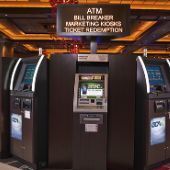
Casino ATM Fees
The first fee you’ll likely encounter is the casino ATM surcharge.
These fees are set by the ATM operator rather than your bank, and can generally range anywhere from $3 to $10 per transaction. At larger casinos and resorts, like the ones you find in Las Vegas, they are commonly between $5 and $8.
Luckily, federal regulations require ATMs to disclose fees before you approve the transaction, so you have the chance to back out if you feel the charges are too high.

Your Bank’s ATM Fees
In addition to the casino’s surcharge, your bank may have its own fee for using an out-of-network ATM.
It’s typical for banks to charge $2 to $3 in these instances, and it’s unavoidable if the casino ATM isn’t affiliated with your bank. However, some checking accounts include ATM fee reimbursements.

Casino Cage Fees
Withdrawing cash from the casino cage usually incurs fees as well. Depending on the casino, it can range from $2 to $10, or it may be a percentage of your withdrawal, typically 1-2%.
Many casinos have minimum and maximum withdrawal amounts. For example, you might have to take out at least $20 and no more than $500 per transaction. Call ahead to find out if this service is available and what the fees and limits are.
With all the potential fees attached to using your debit card at a casino, a single $200 withdrawal could cost between $10-$15 in extra charges, or about 5-7.5% of the amount you cash out.
It’s easy to see how, with multiple small withdrawals, those charges can start to add up. That’s why it’s a good idea to limit your trips to the ATM or casino cage as much as possible and instead, make one large transaction. Also, it’s worth checking whether your bank account reimburses out-of-network ATM fees or provides access to a nationwide ATM network.
Step-by-Step: How to Get Cash at a Casino With Your Debit Card
Getting cash at a casino with your debit card is a pretty simple process, but there are still a few things you should prepare for. Follow these steps to avoid any setbacks:
1. Contact Your Bank
Let your bank know ahead of time if you will be traveling and that you’ll be making gambling-related transactions. This helps reduce the likelihood that your withdrawals will get blocked. Also, check whether you get ATM fee reimbursements, know your daily withdrawal limit, and make sure you remember your PIN.
2. Locate the ATM
When you arrive, find the ATM in the casino and the cashier window. ATMs are usually near the casino floor, entrances, or other high-traffic areas. You can always ask a staff member to point you in the right direction.
3. Withdraw Your Money
A casino ATM works just like any other. Insert your debit card, enter your PIN, select the amount you’d like to take out, and review any fees before finishing the transaction. Once it’s approved, collect your cash, debit card, and receipt.
4. Casino Cage Withdrawals
If you choose to withdraw at the casino cage, you’ll present your debit card and a government-issued photo ID to the cashier. After requesting the amount you’d like to withdraw, you’ll enter your PIN on a secure pad and review any fees before completing the transaction. You may also be asked to sign a receipt.
5. Avoid Dynamic Currency Conversion
If you’re an international visitor, decline any offers to process the transaction in your home currency, as it can result in poor exchange rates and hidden fees.
What to Bring and Keep (Receipts and Documentation)
If you plan on withdrawing from your bank account at a casino, always bring a government-issued photo ID along with your debit card. Although the ATM doesn’t require your ID, if you end up withdrawing at the casino cage you’ll need it.
Hang on to the receipts from any withdrawals you make. Receipts make it easy to track your spending, compare your bank statement against transactions, and document your gambling activity for IRS reporting. It’s a good idea to take a picture of them with your phone immediately. Receipts can fade and quickly get damaged, and you might need that backup documentation later.
Finally, check your bank account within 48 hours to verify that your receipts match the transactions you made. Check the withdrawal amounts and fees so you can report any discrepancies to your bank.
Daily Limits and Why Transactions Get Declined
Even if you take precautions, there is a chance your transaction won’t go through. The majority of declined withdrawals are simply due to a breach of limits or security measures set by your bank.
Most financial institutions put a cap on how much you can withdraw at an ATM daily, ranging anywhere from $300 to $1,000 on average, although premium checking accounts may allow higher withdrawals. In addition, ATMs have per-transaction limits, commonly between $200 and $500, which means you may have to make several withdrawals before you hit your bank’s limit.
The casino cage sometimes allows higher withdrawals, anywhere from $500 to $2,000, for example. However, everything is still subject to your bank’s limits. If you’ve maxed that out, the only thing you can do is wait until it resets at midnight in your bank’s time zone.

Banks may also decline casino transactions for security reasons. Gambling-related purchases can trigger fraud monitoring systems, particularly if you’re traveling, using your card in an unfamiliar location, or making larger withdrawals than usual. Notifying your bank before your trip is one of the easiest ways to avoid this problem. It’s also important to remember that available balance and account balance aren’t always the same. Pending transactions can temporarily reduce the amount you’re able to withdraw.
Other common reasons for declined withdrawals include insufficient available funds, entering the wrong PIN, unsupported ATM networks, or using an international debit card that isn’t compatible with the casino’s payment system.
If your transaction is declined, start by checking your PIN and your balance. Confirm you haven’t reached your daily limit. If everything looks normal, contact your bank to see if they placed a hold on your card for suspicious activity.
Cheaper Alternatives to Casino ATMs and Cage Withdrawals
While casino ATMs and cashier windows are convenient, they’re rarely the cheapest ways to access your cash. A little planning can save you a lot in the long run. Here are a few more cost-effective ways of funding your casino session.
- Bring cash from your own bank to the casino. It’s a zero-fee option, and it’s easy. You can also look for a nearby ATM affiliated with your bank. Casinos tend to be in high-traffic areas near grocery stores and shopping malls, which are good places to find a variety of ATMs.
- Get cash back from a retail purchase. Many places, like convenience stores, offer cash back with debit card purchases for no additional cost. However, the limits are typically much lower, often capping out at $100.
- If you’re a regular at a particular casino, you can see if you qualify for check-cashing privileges, which allow you to cash approved checks directly at the cage and avoid fees. You can also look into opening a line of credit with the casino.
- Credit union members should also check whether there’s a shared branching location nearby. Many participating credit unions allow members of other credit unions to complete fee-free withdrawals and other banking transactions.
Understanding the Differences With Credit Card Cash Advances
When it comes to getting cash at a casino, debit cards and credit cards function very differently.
A debit card gives you access to the funds you already have in your checking account. Outside of ATM fees, it’s that straightforward. You don’t have to worry about interest or paying anything back.

On the other hand, a credit card cash advance is essentially a loan from your issuer. In addition to ATM fees, banks also charge a cash advance fee between 3-5% of the amount withdrawn, making them a more expensive option than debit cards. On top of that, they begin accruing interest almost immediately, often 25% + APR starting the day of your withdrawal. Credit card cash advances should be reserved for emergencies, and only when you know you can repay the balance quickly.
There is some misinformation about these types of transactions and credit scores. Debit card withdrawals have zero effect on your credit score. Credit card cash advances can indirectly affect your credit utilization ratio, but there’s no automatic point deduction simply for taking one.
For most casino visitors, debit cards are the better choice. You will avoid interest charges and high cash advance fees, plus limit your withdrawals to money you actually have. If you want to take financial security a step further, set limits through your bank on how much you can withdraw in a given day. These limits can always be changed back after your visit to the casino.
Tips for Minimizing Fees and Avoiding Problems
Although some casino ATM fees are unavoidable, there are several ways to reduce your costs and avoid common issues when accessing cash. Follow these tips:
- Notify your bank before visiting the casino, especially if you’re traveling. This simple step can prevent fraud alerts from blocking your transaction.
- Confirm your daily ATM withdrawal limit before you arrive. Knowing your limit helps you plan your withdrawals and reduces the risk of a transaction being declined midway through your visit.
- Avoid the convenience of ATMs and plan ahead. Withdraw money from your bank before you arrive to avoid fees entirely.
- If you must use an ATM, withdraw your predetermined gambling budget in a single transaction rather than multiple smaller withdrawals.
- If your bank has branches or ATMs near the casino, consider using one of those instead of the casino’s machines. Even if it requires a short walk, the savings can easily outweigh the inconvenience.
- Use casino promotions strategically. Some casinos offer ATM fee reimbursements or bonus credits for players’ club members who use on-site ATMs. Ask your casino about their current promotions.
- Enable low-balance and large-transaction alerts through your banking app. These notifications can help you avoid declined withdrawals and keep track of your spending while you’re at the casino.
- Overdraft fees sneak up on players who aren’t aware of how much cash is actually in their account. To avoid overdraft fees, make sure to check how much cash is available within your account and play within that amount.
Most importantly, stick to the gambling budget you set before arriving. It can be tempting to make another withdrawal after a losing streak, but each trip back to the ATM means paying another round of fees. Walking away when you’ve reached your limit is almost always the better financial decision, and can curb any progressing problem gambling symptoms or habits.
Frequently Asked Questions
For more information about using your debit card at a casino, check out our frequently asked questions.
Usually not. Whether you’re withdrawing cash from a casino ATM or completing a debit card transaction at the cashier’s cage, you’ll almost always need your PIN. Signature-based debit withdrawals are uncommon and generally aren’t available for accessing cash.
No. Debit card ATM withdrawals aren’t reported to the credit bureaus and don’t affect your credit score. Only credit card cash advances can indirectly influence your credit profile by increasing your credit utilization.
The maximum withdrawal depends on several factors, including your bank’s daily ATM withdrawal limit, the casino ATM’s per-transaction limit, and your available account balance. While many banks typically allow daily withdrawals between $300 and $1,000, some casino ATMs limit individual transactions to $200 to $500. Casino cage withdrawals may allow larger single transactions, but they’re still subject to your bank’s overall daily limit.
Almost every casino has ATMs that accept major debit card networks. However, debit card withdrawals at the casino cage aren’t as common and depend on the property’s payment processing services. If you’d rather use the cashier instead of an ATM, it’s worth calling ahead to confirm the service is available.
Yes. Some banks automatically flag or block gambling-related transactions as part of their fraud prevention systems. Letting your bank know about your casino visit in advance can help prevent unnecessary declines.
Free casino ATMs are uncommon. Most are operated by third-party ATM companies that charge transaction fees. If your bank offers ATM fee reimbursement, however, you may be able to recover those charges after the transaction posts to your account. Some casinos also reimburse ATM fees as a promotional benefit for certain players’ club members.


