 90%
90% 75%
75% USA
USA Canada
 Australia
 UK
UKWhat Is a Bookmaker? A Comprehensive Guide to What Bookmakers Do

Disclosure: Our mission is to connect you with the best gambling sites and informational resources available. If you click one of the links on our site, we may earn a commission payment at no extra charge to you. For more information, see our affiliate disclaimer and editorial policy.
Many new bettors start by asking “what is a bookmaker?”, and the term refers to the person or company setting odds, taking bets, and managing market risk.
This guide explains exactly how bookmakers operate, what they do behind the scenes, how they make money, why odds move, and where bettors encounter them online and in person.
Whether you’re new to sports betting or simply want to understand how odds are created, this page breaks down the entire bookmaking system in a clear, practical way.
Understanding What a Bookmaker Is
A bookmaker is the backbone of the sports betting industry. Their job is not to predict outcomes perfectly, but to create betting markets that remain profitable over time.
Bookmakers set odds, accept wagers, and adjust prices as information and betting volume change. Modern bookmakers rely on advanced analytics, real-time data feeds, and powerful trading tools to keep markets accurate and profitable.
Definition and Core Role of a Bookmaker
Bookmakers create and maintain structured betting markets. Their responsibilities include:
- Setting odds using models, data, and market information
- Publishing odds and updating them as bets come in
- Accepting wagers and applying betting limits
- Managing exposure and liability to protect profitability
Why these roles matter:
Bookmakers act as market makers. Without them, bettors would be left with peer-to-peer wagering that lacks structure, consistency, and price accuracy. Their pricing work creates stability and helps bettors make informed choices.
What Is a Bookmaker Called? Alternative Names Explained
It’d be simple if bookmakers went by one name, but unfortunately, they don’t. Terminology varies, but the function is similar:

- Bookmaker – formal industry term
- Bookie – individual, often local or informal
- Sportsbook – licensed betting operator or digital platform
- Turf Accountant – traditional UK racing term
Bookmaker vs. Bookie vs. Sportsbook: Key Differences
| Term | Description | Typical Use |
|---|---|---|
| Bookmaker | Operator who sets odds and accepts bets | Global |
| Bookie | Individual, sometimes unregulated | Local / informal |
| Sportsbook | Licensed betting business or platform | Retail + online |
While bookies once dominated local betting, modern online sportsbooks now handle the vast majority of wagering. They use automated odds models, trading teams, and regulatory frameworks that create safer and more transparent betting environments compared to informal bookies.
What Does a Bookmaker Do?
A bookmaker’s responsibilities extend far beyond simply posting odds. They manage entire ecosystems of betting markets, ensure wagers are priced fairly, and work tirelessly behind the scenes to keep operations smooth.
How Bookmakers Accept Bets and Manage Betting Markets
Bookmakers build the markets bettors interact with: moneylines, spreads, totals, props, futures, and more.
They must choose which markets to offer, adjust lines based on incoming wagers, and monitor sharp vs. public activity. This is a dynamic process: pricing shifts constantly in response to betting patterns, competitor lines, and new information.
How Bookmakers Pay Out Winnings and Apply Settlement Rules
Accurate settlement is essential for trust. Bookmakers grade bets using official league results, apply void or push rules when events change unexpectedly, and use house rules to guide unusual cases. Settlement systems are largely automated, ensuring fast payouts and consistent handling of disputes.
Types of Events Bookmakers Cover Today
Bookmakers now offer betting markets far beyond traditional sports. These include the following:
- Major sports like football, basketball, baseball, and soccer
- Esports with global competitive circuits
- Political elections and leadership contests
- Entertainment events such as awards shows or novelty markets
Expanding into non-sports categories allows bookmakers to diversify revenue and engage new types of bettors. Esports, for example, has rapidly become one of the fastest-growing betting verticals.
Where Can You Find Bookmakers Online and In Person?
Bookmakers operate across digital and physical environments, and each setting offers unique advantages. Here’s where you’ll find them:
Online Bookmakers and Betting Sites
Online sportsbooks dominate the modern industry. They offer mobile apps, live betting, real-time odds updates, streaming, cash-out features, and fast payouts.
Because they operate under strict licensing rules, they must adhere to fairness, security, and responsible gambling standards. Their convenience and market variety make them the primary choice for most bettors today.
Physical Bookmakers in Betting Shops and Racecourses
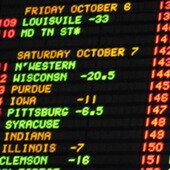
Physical bookmakers remain culturally significant. High-street betting shops provide in-person wagering, printed odds boards, and immediate payouts.
At racecourses, on-course bookmakers deliver fast-moving, crowd-driven odds that create an authentic atmosphere. Retail sportsbooks inside casinos blend digital tools with in-person service, giving bettors multiple ways to wager.
How Do Bookmakers Make Money?
Bookmakers earn revenue primarily through built-in pricing margins rather than predicting outcomes more accurately than bettors.
The Overround, Margin, and Vig Explained
Bookmakers embed profit into every market through the vig (or juice) and the overround. The overround occurs when the combined implied probabilities of all outcomes exceed 100%. This ensures the bookmaker holds an expected edge independent of the actual event result.
Example:
| Outcome | Odds | Implied Probability |
|---|---|---|
| Team A | -110 | 52.38% |
| Team B | -110 | 52.38% |
| Total | — | 104.76% |
That 4.76% excess represents the theoretical margin the bookmaker expects to earn across large numbers of bets. This structure allows sustainable profit even with unpredictable outcomes. To understand how bettors can find mispriced lines for better long-term results, read our guide on value odds.
House Edge and Hold Percentage: How Bookmakers Profit at Scale
The house edge is the theoretical advantage built into the odds. The hold percentage is what a bookmaker actually keeps after payouts. While single events may produce losses, consistent holds across thousands of markets produce reliable long-term revenue.
Typical holds:
- Straight bets: 3%–6%
- Player props: 8%–12%
- Parlays: 20%–35%
On large betting volumes, these percentages create significant revenue. For example, a bookmaker with $50M in monthly handle and a 7% hold earns $3.5M per month.
Risk Management and How Bookmakers Balance the Book
Risk management is central to bookmaking. Bookmakers analyze betting patterns, adjust odds to encourage balanced action, hedge risk on betting exchanges, and profile sharp bettors.
They monitor exposure in real time using liability dashboards that highlight markets at risk. By adjusting lines, limiting certain wagers, or taking offsetting bets elsewhere, bookmakers manage volatility and protect profit margins.
Why Bookmakers Adjust Odds and Betting Lines
Odds move constantly as new information emerges or market pressure builds. To maintain an edge (as their sole goal is to profit off of bettor’s losses), they adjust the odds:

How News, Injuries, and Data Updates Move the Market
Bookmakers reprice odds when team news breaks, injuries occur, weather shifts, or advanced analytics update. Automated feeds alert sportsbooks to important changes, prompting temporary suspension and repricing of markets. A single injury to a star player can shift the entire point spread within seconds.
Sharp Money vs. Public Money: Steam Moves and Line Shading Explained
Sharp bettors influence odds more heavily than casual bettors because they wager larger amounts and consistently beat inefficient lines. Bookmakers respond quickly to sharp action, moving lines to reduce liability and prevent arbitrage. Public money, by contrast, tends to favor favorites and popular teams, prompting bookmakers to shade lines to account for expected one-sided betting.
What Else Does a Bookmaker Do Beyond Setting Odds?
Bookies do more than just set and alter odds. Here’s a quick look at what else they control:
Offers and Promotions: Free Bets, Bonuses, and Odds Boosts
Bookmakers use promotions to attract new bettors and retain existing ones. These may include free bets, deposit bonuses, odds boosts, parlay insurance, and more. Promos encourage betting volume and engagement, helping bookmakers grow their user base.
How Bookies Make Money from Promotions and Bonuses
Promotions are designed with profitability safeguards. Wagering requirements ensure bettors stake multiple times before withdrawing. Minimum-odds restrictions prevent risk-free hedging. Expiry dates limit long-term liabilities. Stake-not-returned free bets reduce true payout value. Together, these rules ensure promotions grow handle while maintaining bookmaker margins.
Frequently Asked Questions About Bookmakers
1. Are bookmakers always profitable?
No, bookmakers aren’t profitable on every event. They may lose money on individual games, but long-term profits come from volume, margins, and balanced action.
2. Do bookmakers want bettors to lose?
Bookmakers prefer balanced action so they can lock in their margin regardless of outcome. A mix of winning and losing bettors creates a sustainable market.
3. Are bookmakers and sportsbooks legal?
Legality varies by region. Many countries and U.S. states regulate licensed sportsbooks, while others restrict or prohibit betting.
4. Can bookmakers ban or limit winning players?
Yes. Sportsbooks can limit or ban bettors who consistently beat inefficient lines or exploit promotions. Recreational bettors rarely face limits.
Understanding What a Bookmaker Is and How They Operate
So, what is a bookmaker? A bookmaker is the one who sets the odds, takes your bets, and keeps betting markets running smoothly.
You now know how they make money, why odds change, and how things like margins, risk management, and promotions shape the experience for everyday bettors. To build an even stronger foundation, check out our full introduction to sports betting.
Subscribe now and get instant access to:
- A sports bonus worth up to $1,250
- Free weekly picks and betting tips
- Cash back on your wagers
Plus, up to $10,000 in bonuses and 200 free spins to use on blackjack, slots, and your other favorite casino games.