 USA
USA Canada
 Australia
 UK
UKProp Bets Explained: What a Prop Bet Is and How They Work

What is a prop bet? It’s one of the most fun ways to bet on sports, giving you action on specific players and stats. Instead of worrying about who wins or loses, prop bets give you a new way to enjoy the game.
In this guide, you’ll learn how prop bets work, the different types of props you can bet on, and more. We’ll also break down a few examples and answer some FAQs along the way.
What is a Prop Bet?
A prop bet (short for “proposition bet”) is a wager on something other than the final score of a game. Instead of betting on who wins or loses, you’re betting on a particular player, stat or moment during the game.
Props can cover just about anything: how many points a player scores, whether a quarterback throws a touchdown, or even the result of the opening tipoff. Depending on the sportsbook, you might also find props for stat milestones, head-to-head player matchups or quirky moments that add a little extra entertainment to the game.
The idea is simple: pick a specific thing to happen, place your bet, and see if it hits.
How Prop Bets Differ from Traditional Bets
Traditional bets like the moneylines, point spreads, and totals all revolve around the outcome of the game. You’re either picking the winning team, betting on the margin of victory, or predicting how many total points both teams will combine for during the game.
Prop bets work differently. Instead of focusing on the final score, props zoom in on specific players, stats or in-game moments. Your bet has nothing to do with who wins or loses — it only depends on whether the individual event you picked actually happens. If you prefer long-term predictions instead of in-game moments, our guide to futures betting explains how those wagers work.
Types of Prop Bets
Prop bets come in a few different categories, with each one focusing on a different aspect of the game. Once you understand the main types, it becomes much easier to decide which props match the way you like to bet.
While the exact options vary by sport and sportsbook, most props fall into three main groups: player props, team props and game props. Each type offers its own style of action, but they all share the same idea: you’re betting on something inside the game rather than the final result.
Player Props
Player props are the most popular type of prop bet because they focus on individual athletes and their stats. Instead of worrying about the final score, you’re betting on how a specific player performs during the game.
These props can cover just about any measurable stat: points, assists, rushing yards, shots on goal, home runs—you name it. If a player can rack it up, there’s probably a prop for it.
Team Props
Team props focus on how an entire team performs in specific areas, giving you action on collective stats rather than individual players. These bets are great when you have a strong read on a team’s strengths, weaknesses or overall style of play.
Common team props include things like total points scored, field goals made, turnovers or whether a team scores in a specific quarter or period. Many of these team props come in over/under formats, but sportsbooks also offer other creative options depending on the sport.
Game Props
Game props cover the broader events and moments that can happen during a matchup. Instead of focusing on players or teams, these props zoom out and look at things like scoring sequences, quarter-by-quarter results or unique in-game situations.
You’ll see game props for things like which team scores first, whether there will be overtime, the result of the first drive or whether both teams score a certain number of points. Game props are perfect for bettors who want action on the flow of the matchup rather than the final result or individual stat lines.
How to Read Prop Bets
Prop bets can look confusing at first, but everything becomes much easier once you understand how to read the listings. Most props follow simple formats, whether you’re looking at a player’s stat line, a team milestone or a yes/no outcome.
The key to reading prop bets is knowing what the odds represent and what the sportsbook is asking you to predict. Once you learn how to break down a prop listing, you’ll be able to tell instantly what you’re betting on and how your potential payout works.
Understanding Prop Bet Odds Formats (American, Decimal, Fractional)
Before placing any prop bets, it helps to understand the different odds formats you’ll see at online sportsbooks. The odds tell you two things: how likely the sportsbook thinks the outcome is and how much money you stand to win if your prop hits.

- American odds (like -130 or +150)
- Decimal odds (like 1.77 or 2.50)
- Fractional odds (like 7/10 or 3/2)
Each format displays the same information; they just show it differently. American odds are the most common in the US, decimal odds are popular internationally and fractional odds are still used heavily in horse racing and some sportsbooks in the UK.
You don’t need to memorize all three, but understanding what each format represents will make it easier to compare prop prices and choose the format you’re most comfortable using.
Interpreting Over/Under and Other Prop Bet Listings
Most prop bets use simple, easy-to-read formats. The most common is the over/under, where the sportsbook sets a number and you choose whether the actual result will be higher or lower. For example, a player might be listed at Over/Under 22.5 points — you’re simply predicting if they go over or under that line.
You’ll also see props listed as yes/no or either/or options. In those cases, the sportsbook gives you two possible outcomes and the odds tell you which one is favored. Examples include things like “Will both teams score in the first half?” or “Method of victory: KO/TKO or Submission.”
Every listing tells you two things:
- What specific outcome you’re betting on
- What the payout odds are if that outcome happens
Once you understand those two pieces, reading any prop bet — whether it’s stat-based, event-based or moment-based — becomes much more straightforward. For a deeper breakdown of how totals work in general, check out our full guide to over/under betting.
How to Read a Prop Bet on a Betting Slip
Once you click on a prop bet, it gets added to your betting slip and everything becomes much clearer. The slip shows you exactly what you’re betting on, the exact odds and how much you stand to win based on your stake.
You’ll typically see three things:
- The prop description — the specific outcome you selected (like “Over 24.5 Points” or “Will There Be Overtime: Yes”).
- The odds — displayed in whatever format you’ve chosen (American, decimal or fractional).
- Your stake and potential payout — the amount you’re betting and how much you’ll win if the prop hits.
Your betting slip updates automatically if odds shift while you’re placing your wager, so it’s always smart to double-check everything before submitting. Once you understand how to read these details, placing prop bets becomes quick and stress-free.
How to Bet on Player Props
Betting on player props is one of the easiest ways for beginners to get started, but it helps to know where to look and what to expect before placing your wager. It’s important that you know how to navigate the menu, how to read the lines and how to choose a prop that actually makes sense for the matchup.
In the sections below, we’ll walk you through the steps to place a player prop, show you where to find these markets at most online sportsbooks and share a few practical tips to help you make smart plays.
Step-by-Step Guide to Placing a Player Prop Bet
Placing a player prop bet is easier than it looks, and most sportsbooks lay everything out in a simple menu. Here’s a quick walkthrough to help you get from picking a player to placing your wager in just a few steps.

Log in, choose the sport, and open the matchup you want to bet on.
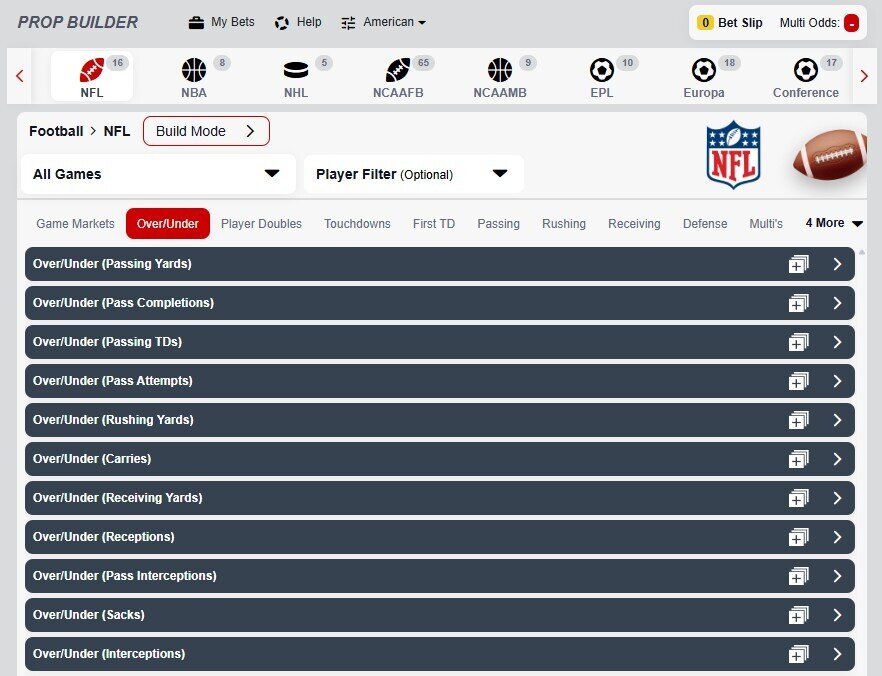
Look for tabs like Player Props, Player Stats, or Player Specials under the game.
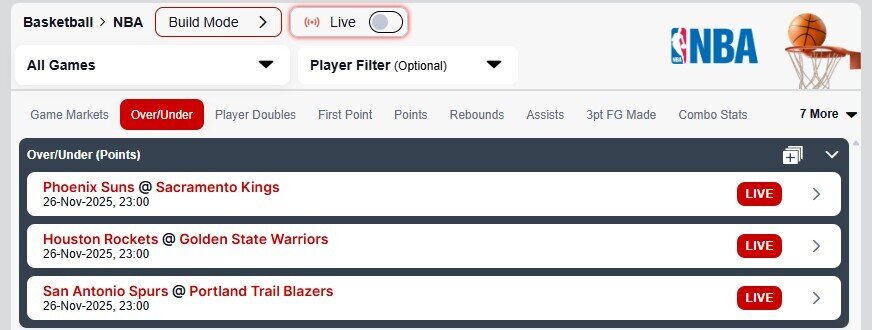
Browse categories like points, yards, goals, assists, etc., and select the over/under or outcome you want.

Your pick will appear with the odds and description—double-check everything and enter your stake.

Hit Submit to lock it in and you’re ready to watch it play out.
Where to Find Player Props at Online Sportsbooks
Most online sportsbooks make player props easy to find, you just need to know where to look. After logging in, selecting a sport and opening a specific game, look for sections labeled things like:
- Player Props
- Player Stats
- Player Specials
- Stat Markets (points, yards, assists, etc.)
Some sites group all player props under a single tab, while others organize them into categories you can expand, such as touchdowns, rebounds, shots on goal or passing yards. On mobile apps, these menus may appear as dropdowns or swipeable tabs beneath the matchup.
Every sportsbook arranges props a little differently, but once you start looking for the player-focused sections inside each game, finding the markets becomes quick and intuitive.
Tips for Choosing Player Prop Bets
Choosing the right player props gets a lot easier when you know what to look for. Here are a few simple tips to help you make smarter, more confident picks:
Follow recent results
Look at the player’s recent performances to see how they’ve been trending over their past few games. Hot or cold streaks often matter more than season averages.
Study the matchup
Whether it’s rushing yards, three-pointers or shots on goal, certain defenses struggle in very specific areas. A good matchup can make a player prop much more appealing.
Consider usage and playing time
Understanding player usage is one of the biggest edges in prop betting. Heavy involvement usually helps overs, but if a player’s role has shrunk, it can create value on unders.
Watch for injuries or lineup changes
When a key player is out, it can completely reshape how others are used. Sometimes that creates extra touches for certain players, while other times it disrupts the entire offense.
Compare lines across sportsbooks
Different sites post different odds and this can have a huge impact on your bottom line in the long run. Shopping around can help you find the best value on the same player prop.
These simple tips take just a minute, but they can help you pick props with a lot more confidence.
Can You Parlay Prop Bets?
One of the most common beginner questions is whether you can combine multiple prop bets into a single parlay — and the short answer is yes, sometimes. Parlaying props can boost your potential payout, but it also comes with extra rules, restrictions and added risk.
Not all sportsbooks treat prop bet parlays the same way, and some limit which props can be combined. Let’s review how prop parlays work, what sportsbooks allow and how the risk-reward tradeoff compares to betting single props.
Rules and Restrictions for Parlaying Prop Bets
While many sportsbooks allow you to parlay prop bets, there are usually specific rules and limits on what you can combine. These rules are designed to manage risk for both the bettor and the sportsbook, so it’s important to understand them before building a prop parlay.
Common restrictions you may run into include:
- Same-game prop limits — many books won’t allow certain player props from the same game to be parlayed together, especially if the outcomes are closely related.
- Correlation rules — props that directly depend on each other (like a quarterback’s passing yards and a receiver’s receiving yards) are often blocked from being paired.
- Sport- or league-specific limits — some sportsbooks allow prop parlays in certain sports but restrict them in others.
- Lower maximum payouts — even when prop parlays are allowed, the max payout may be capped or adjusted.
Each sportsbook handles prop parlays a little differently, so the best move is always to check the rules on your betting site before building your ticket. If a combination isn’t allowed, the sportsbook will usually block it automatically when you try to add the second leg.
Examples of Prop Bet Parlays
A prop bet parlay simply combines two or more prop bets into one ticket, with all legs needing to win for the parlay to cash. The exact combinations allowed depend on the sportsbook, but here are a few realistic examples to show how prop parlays typically work:

NBA Player Props Parlay
- LeBron James Over 25.5 points
- Stephen Curry Over 4.5 three-pointers

NFL Mixed Player & Team Props Parlay
- Josh Allen Over 1.5 passing touchdowns
- Bills Over 24.5 team points

NHL Game & Player Props Parlay
- Auston Matthews Anytime goal scorer
- Game to go to overtime: No

MLB Player Props Parlay
- Shohei Ohtani Over 1.5 total bases
- Vladimir Guerrero Jr. To record a hit
When these props are grouped into a parlay, the odds are multiplied together, creating a much larger potential payout than betting each prop individually. The trade-off is that one miss kills the entire ticket, even if the other props win.
Risks and Rewards of Parlaying Props
The main reason bettors love prop bet parlays is the reward. By combining multiple props into one ticket, you can turn a small wager into a much larger payout. Even adding just one or two extra legs can dramatically increase your potential return.
The flip side is the risk. Every prop in the parlay must win for the ticket to cash. If even one leg misses, the entire bet loses—no matter how close it was or how well the other props performed. With multiple outcomes tied together, the margin for error gets smaller with each added prop.
Can You Bet on College Player Props?
College player props are a popular topic for bettors, but they’re also one of the most restricted areas of prop betting. Whether or not you can bet on individual college athletes depends heavily on where you live and which sportsbook you’re using.
Rules vary widely by state, and even sportsbooks operating in the same market don’t always offer the same college prop options. Some allow them with limits, others restrict them entirely and a few only permit certain types of team-based college props.
Legal and Regulatory Restrictions
College player prop betting is heavily influenced by state laws and local regulations, which is why availability can vary so much from one place to another. Some states allow sportsbooks to offer college player props, while others ban them or place strict limits on what can be posted.
Common restrictions include:
- Full bans on individual college player props in certain states
- Team-only college props allowed, but no individual player markets
- Limits on specific stat categories (yards allowed, but not attempts, for example)
- Sport-specific rules, where some college sports are treated differently than others
Many of these restrictions are designed to protect the integrity of college sports and student-athletes. Because the rules differ so widely by location, the safest move is always to check your local betting laws or your sportsbook’s terms before assuming a college player prop will be available.
Availability at Major Sportsbooks
Even in states where college player props are legal, not every sportsbook chooses to offer them. Availability can vary just as much from one betting site to another as it does from state to state.
- Some sites offer college player props with limits. These may include only certain sports, star players, or basic stat categories.
- Other sportsbooks offer team-only college props. You can bet on the team’s performance, but not on individual player stats.
- Finally, some sites avoid college player props entirely. This is common in stricter states or at sportsbooks that take a more conservative approach to college markets.
Even when college player props are available, they’re usually posted closer to game time, may have lower betting limits and often feature fewer markets than professional player props. The best way to know what’s offered is to check the college section of your sportsbook on game day.
How Do Prop Bets Work?
At a glance, prop bets look simple—you pick an outcome and place your wager. But behind the scenes, there’s more going on, from how sportsbooks set the lines to how winning bets are graded and paid out.
Understanding the basic mechanics helps you see why certain props are priced the way they are and how your bet is officially settled once the game is over. The better you understand how prop bets work, the easier it becomes to spot smart betting opportunities.
How Prop Bet Odds and Lines Are Set
Sportsbooks set prop bet lines using a mix of data, projections, and betting activity. For player props in particular, oddsmakers start with an estimate of what they expect a player to do based on several key factors:

- Historical performance and season averages
- Recent form and short-term trends
- Matchup data against the upcoming opponent
- Game context, such as pace, total points, and expected game script
Once that initial line is posted, sportsbooks monitor how bettors respond. If a large amount of money comes in on one side, the book may adjust the line or the odds to balance the action and limit risk.
In short, prop lines are shaped by both statistical models and real betting behavior, which is why you’ll often see numbers move as game time approaches.
How Prop Bets Are Settled and Paid Out
Prop bets are settled based on official game statistics and final results provided by the league or its approved stat partners. Once the game ends and the stats are confirmed, the sportsbook reviews each prop and grades it as a win, loss or push.
- If the prop is successful, your bet is graded as a win and your payout is credited to your account.
- If the prop fails to hit, the bet is graded as a loss and the stake is forfeited.
- If the result lands exactly on the posted number, the bet is usually ruled a push and your original stake is returned.
Most sportsbooks settle prop bets shortly after the game ends, but some may take longer if the prop depends on stat corrections or official reviews. Once settled, winnings are added directly to your betting balance and can be withdrawn or used for additional bets.
FAQs
Prop bets come with plenty of small details that can be confusing at first. Here are a few quick, clear answers to the most common prop bet questions.
In sports betting, a prop bet, or proposition bet, is a wager on a specific player performance, stat or in-game event rather than the final score. These bets let you focus on individual moments inside the game instead of picking a winner.
You choose whether a specific outcome will happen, such as a player going over or under a stat line or an event occurring during the game. If your selected outcome happens, the bet wins and is paid out based on the posted odds.
The three main categories are player props, team props and game props. Each focuses on a different part of the action, from individual stat lines to team performance and unique in-game events.
Prop bets can be profitable if you consistently find strong matchups, good numbers and value in the odds. However, like all betting markets, long-term success depends on smart selection, discipline and proper bankroll management.
Yes, many sportsbooks allow prop bets to be included in parlays, but there are often rules and restrictions on which props can be combined. While prop parlays offer higher payouts, every leg must win for the bet to cash.
What Is a Prop Bet? Final Recap
Prop bets add a whole new layer of excitement to sports betting by letting you wager on players and teams instead of just the final score. In this guide, we covered what prop bets are, how they work, and the different types available. We also showed you how to read prop odds, build prop parlays and more.
Now it’s your turn to put that knowledge to good use. Browse today’s prop markets, find a few angles you like and enjoy the game with a whole new level of excitement! If you’re new to sports betting in general, be sure to check out our full sports betting introduction guide to build an even stronger foundation before diving into more prop markets.

 80%
80%  80%
80% This score goes to the highest rated sites by experts. Only sites that hold an expert rating of above 85% are given this status.

A green Jackpot Certified score is awarded when at least 60% of expert reviews are positive.

A red Bust score is displayed when less than 60% of expert reviews are positive.

A grayed-out gem means there are not enough expert ratings to produce a score. The gambling site could be new.
A green Jackpot Certified score means that at least 60% of player reviews are positive.

A red Bust score means that less that 59% or less of player reviews are positive.

A grayed-out face means there are not enough player reviews to produce a score.