 75%
75% USA
USA Canada
 Australia
 UK
UK
 80%
80%  80%
80% - Downloadable app available for seamless mobile play.
- Wide table limits ($1–$5,000) cater to both casual players and high rollers.
- Transparent rewards program lets players convert points directly into cash at 100 = $1.
Arbitrage Sports Betting Explained

Disclosure: At GamblingSites.com, our mission is to connect you with the best gambling sites and informational resources available. If you click one of the links on our site, we may earn a commission payment at no extra charge to you.
Ever wondered “what is arbitrage betting?” and why some bettors talk about it like it’s a guaranteed win strategy? Arbitrage betting, often called “arbing”, is when you place bets on all possible outcomes of a game using different sportsbooks so you lock in a profit no matter who wins. It’s not magic; it’s simply taking advantage of odds differences.
This approach appeals to bettors who want consistency over big gambles. Instead of trying to predict the outcome, you’re trying to find price gaps. With the right tools and timing, arbitrage betting can be profitable, though it does require patience, discipline, and quick decision-making.
What is Arbitrage Betting?
Arbitrage betting is a strategy where you place bets on every possible outcome of a game using different sportsbooks, so you lock in a profit no matter who wins. The profit comes from small differences in the odds that each sportsbook sets.
Instead of trying to guess the winner, you’re just taking advantage of the price gap between sportsbooks. If those odds create a situation where the total implied probability is under 100%, there’s room for a guaranteed return.
How Arbitrage Betting Works
Arbitrage betting works because different sportsbooks set different odds for the same event. Those odds don’t always match, and when the gap is big enough to push the total implied probability below 100%, you can bet all outcomes and lock in a profit.
By placing bets on every possible outcome, you’re removing the guesswork. No matter how the game ends, one of your bets is going to win. The important part is how you split your stake. If the amounts are sized correctly, the winning bet pays out slightly more than you lose on the other side. This is where your guaranteed profit comes from. If you’re new to sports betting in general, our beginner’s introduction to sports betting explains the foundations behind odds, markets, and betting mechanics.
Simple Example of an Arbitrage Bet
If one sportsbook offers +120 on Team A and another offers +130 on Team B, their implied probabilities are approximately 45.5% and 43.5%.
45.5% + 43.5% = 89%
Since that total is under 100%, there’s a built-in profit margin — an arbitrage opportunity. The profit per bet is usually small, but many bettors like the reliability of this approach.

- Bet $100 on Team A at +120 → You’d win $120 if Team A wins
- Bet $90 on Team B at +130 → You’d win $117 if Team B wins
- If Team A wins: Profit = $120 – $90 = $30
- If Team B wins: Profit = $117 – $100 = $17
This is the core idea of arbitrage betting: you’re not predicting who wins. You’re using the difference in odds to lock in a profit no matter the result.
How to Place an Arbitrage Bet Step-by-Step
Arbitrage betting works best when you follow a clear process. Below is a straightforward approach to how to arbitrage bet from the moment you spot an opportunity to the final settlement check.
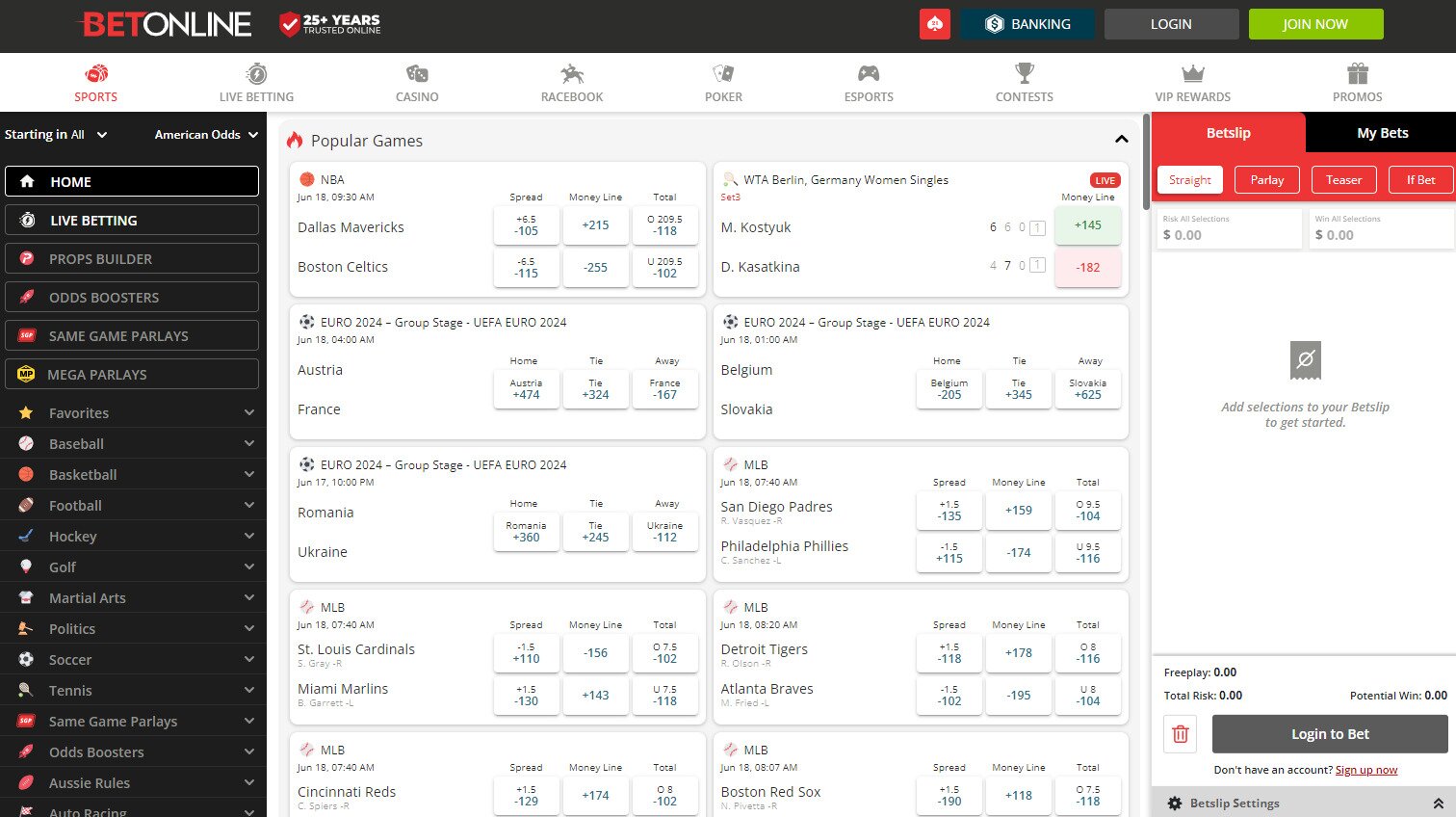
The first step is recognizing when two (or more) sportsbooks disagree on the likelihood of an outcome. Arbitrage exists when the combined implied probability of all outcomes is under 100%. Here’s how this looks in different types of markets:
- 2-way markets: look for two prices at different sportsbooks where the implied probabilities add up to less than 100%.
- 3-way markets: compare Home / Draw / Away prices across books and ensure the combined implied probability is under 100%.
Using an arbitrage betting finder or comparison tool can speed this process up for you. A reasonable edge target is often 0.5%–2% after factoring fees and currency conversions. Smaller edges can work but increase the risk of odds shifting mid-bet.
Quick rule: Convert odds → implied probability → add totals. If the total is below 100%, that’s your arbitrage gap.

Once you’ve found a pricing gap, the next step is to ensure your bet sizes are balanced. The whole point of arbitrage betting is that your profit is guaranteed regardless of the result, and this only works if your stakes are calculated correctly.
Using an arbitrage betting calculator is the fastest and cleanest way to do this. You simply enter the following information:
- The odds from each sportsbook
- Your desired total risk amount
The calculator will instantly tell you exactly how much to stake on each side and your expected profit percentage. If you prefer manual math or need to double-check, remember to factor in exchange commissions, currency conversion differences and potential withdrawal fees. Even small fees can shrink your margin, so get in the habit of including them early.

Once you know your stakes, it’s time to place the wagers. This is where execution matters. Arbitrage windows can close fast when odds update or limits tighten.
Here are a few tips to ensure you’re prepared and ready to go at a moment’s notice:
- Make sure your sportsbook accounts are funded, logged in, and ready before opening the calculator.
- Place the bet at the best or most volatile odds first (the side that’s more likely to move).
- Immediately place the hedge bet(s) at the other sportsbook(s).
For appearance and speed, many bettors round stakes to simple numbers (e.g., $97.88 → $98) to avoid manual input delays and reduce the chance of triggering automated account reviews.
If the odds change mid-process, don’t panic. Recalculate quickly and decide whether to continue or cancel. Never force the original stake amounts if the profit margin disappears.

Once your bets are in, the final step is protecting your profit by verifying that everything settled correctly. That means double-checking acceptance, settlement rules, and final payouts.
Here are the key things to review after placing an arb:
- Check that each bet is marked as accepted and that the odds match what you intended.
- Look out for voided bets or rule differences (common in tennis retirements and prop bets).
- If any of your wagers have one side voided and the other doesn’t, you may need to manually place another hedge.
After the event concludes, review your payouts and confirm the profit aligns with your calculator results.
If you want to track performance over time and identify which books are most reliable, keep a simple log with the following:
- Event
- Sportsbook used
- Odds
- Stake split
- Return percentage
Consistent tracking is what turns arbitrage from a strategy into an efficient, repeatable system.
Is Arbitrage Betting Legal?
There’s nothing illegal about placing two bets at two different sportsbooks, as you’re simply taking advantage of publicly available odds. In most regions, the act itself is not against the law.
However, sportsbooks generally don’t like it because you’re removing their risk. Many include terms that allow them to limit, restrict, or close accounts if they believe you’re consistently arbing. So, while the strategy is typically legal, the real risk is having your betting limits reduced.
Legal Status by Region
In the US, arbitrage betting is generally legal as long as you’re placing wagers with licensed sportsbooks. In places like Canada, the UK, Ireland, Australia, and most of the EU, regulated sports betting markets operate openly and arbitrage betting is generally allowed. Regardless of location, the most common consequence is account restrictions, not legal penalties.
Sportsbook Policies and Account Limitations
While it’s generally legal to hunt for arbitrage betting opportunities, sportsbooks don’t always welcome this strategy. This is why many brands have systems designed to detect arbing behavior.
If a sportsbook flags your account, they likely won’t ban you outright. Instead, they may:
- Lower your maximum bet amounts
- Restrict which markets or odds you can wager on
- Delay withdrawals for additional reviews
- Suspend your account temporarily
These actions are usually covered in the sportsbook’s Terms & Conditions, under language like “management reserves the right to limit or refuse bets.”
Can You Get Banned for Arbitrage Betting?
There aren’t any criminal or civil penalties for placing opposite bets at different sportsbooks, but it is possible to get banned from a sportsbook if they suspect you of arb betting. In most cases, sportsbooks will lower your betting limits or restrict access to certain markets long before they close your account.
So, while arbitrage betting is generally legal, the trade-off is that it can reduce the lifespan of your sportsbook accounts if done too aggressively or too obviously.
Key Terms
Before you start placing arbitrage bets, it helps to understand a few common terms you’ll see in guides, calculators, or betting tools. These all refer to parts of the same strategy, just from different angles.
- Arbitrage Betting: Placing bets on all possible outcomes to lock in a profit.
- Arbing: Slang term for arbitrage betting.
- Sure Betting: Another name for arbitrage betting, referring to the “sure win” aspect.
- Guaranteed Profit: The amount you’ll earn no matter who wins.
- Implied Probability: The percentage chance an outcome is assigned based on the odds.
- Price Gap / Odds Gap: The difference between sportsbook odds that creates the profit window.
- Stake Split / Stake Allocation: How you divide your total wager across outcomes to guarantee the return.
- Arbitrage Calculator: A tool that calculates the exact stake sizes needed for a balanced profit.
- Arbitrage Betting Finder (Arb Finder): Software that scans sportsbooks and highlights price discrepancies.
- 2-Way Market: A betting market with only two possible outcomes (e.g., tennis match winner).
- 3-Way Market: A market with three possible outcomes (e.g., soccer 1X2: Home / Draw / Away).
- Line Movement: When sportsbooks adjust odds, often closing or reducing an arbitrage opportunity.
Why Do Arbs Exist?
Simply put, arbitrage opportunities exist because sportsbooks operate independently. Each sportsbook has its own data models, risk tolerance, betting limits, and customer base. As a result, they don’t all calculate odds in the same way.
These discrepancies create moments where two sportsbooks disagree on the probability of an outcome, and that disagreement opens the door for a potential arb and a guaranteed return on your investment. If you want to see how odds work in a completely different system—where bettors wager into shared pools instead of fixed prices—read our guide to pari-mutuel betting.
Why Sportsbooks Offer Different Odds
There are a few key reasons why sportsbooks will offer different odds on the same event:
- Data Models: Every sportsbook uses its own algorithms to set opening lines. Two sportsbooks can look at the same matchup and still arrive at slightly different expected outcomes.
- Betting Volume: If one sportsbook receives heavy betting on one team, it may shift the odds to limit exposure. Another sportsbook might not see the same action and leave its odds unchanged, creating a temporary gap.
- Timing of Line Updates: Some sportsbooks update odds instantly based on live feeds and trading software. Others update manually and may lag behind, especially during high-traffic events.
- Regional Bias: A sportsbook with a strong fan base in a certain area may shade lines to reflect local betting behavior. For example, sportsbooks in New York may price the Knicks differently than books in Nevada.
- Promotional Odds: Sometimes a sportsbook intentionally inflates odds to attract new users or encourage action on a specific outcome. These boosts can create perfect arbitrage windows.
Because of all these factors, odds don’t always align across the market. And when they drift far enough apart, there’s an opportunity to bet all sides and lock in a guaranteed return.
How to Identify Arbs
Finding arbitrage opportunities comes down to spotting when two sportsbooks list different prices for the same outcome. You can do this manually by comparing odds yourself, or you can use software that scans thousands of markets automatically and flags profitable gaps in real time.
Arbitrage Betting: Manual vs. Automated
There are two main ways to look for arbitrage opportunities: manually or with automated tools.
Using Arb Betting Tools and Odds Comparison Software
Arb betting tools and odds comparison software doesn’t just save time — it helps you act fast enough to lock in the profit. Here’s what makes these tools so valuable:
Disadvantages of Arbitrage Betting
Arbitrage betting can be profitable, but it’s not effortless. While the math guarantees a return on paper, the real challenge is executing consistently in fast-moving markets. Profits per bet are often small, so success depends on volume, speed, and organization.
Some key drawbacks to be aware of:
- Small Margins: Most arbs return between 0.5%–3%, so you need frequent bets (and enough bankroll) to see meaningful gains.
- Time-Intensive: Finding, verifying, and executing opportunities requires constant monitoring.
- Multiple Accounts Required: You’ll need access to (and funds spread across) several sportsbooks to find consistent arb opportunities.
- Limited Decision-Making Time: Odds can shift quickly, sometimes before you finish placing both sides.
- Organizational Discipline: A small mistake in stake sizing or bet placement can wipe out the profit from multiple arbs.
Arbitrage works best for bettors who are comfortable managing multiple accounts, reacting quickly to changing odds, and keeping clear records. . If you’re interested in another low-risk strategy built around exploiting price differences, check out our guide to matched betting.
Account Limitations and Bans
While arbitrage betting is generally legal, sportsbooks don’t like it because it removes their edge. If a sportsbook detects consistent arbitrage patterns, it may respond by:
- Lowering your maximum bet limits
- Restricting access to certain markets or odds
- Requiring extra withdrawal verification steps
- In some cases, closing your account
This doesn’t happen instantly, but it’s a real operational cost of long-term arbing. Protecting account longevity becomes just as important as finding profitable bets.
Managing Detection and Avoiding Red Flags
Sportsbooks track betting patterns. If your wagers always target mispriced odds, appear mathematically precise, or hit only one side of the line movement, that raises flags. To stay under the radar:
- Round your bet amounts to look more natural (e.g., $98 → $100)
- Mix in different bet types (not just moneylines)
- Spread action across multiple sportsbooks, not just one or two
- Occasionally place non-arb or recreational-looking bets
The goal isn’t to be invisible — it’s to look like a regular bettor, not a trading bot.
Market Efficiency and Changing Odds
Arbitrage opportunities don’t stay open long. Odds can shift within seconds as sportsbooks update their lines. The risks here include:
- Placing one side of the bet then the odds move, leaving you exposed
- Bet refusals or stake rejections during confirmation
- Voids due to rule differences (common in tennis, props, and live betting)
- Delayed grading that ties up funds longer than expected
Speed, timing, and double-checking rules are essential. Even when the math is perfect, execution is where mistakes happen. With practice and a steady routine, it becomes a smooth, repeatable process.
Using the Arbitrage Strategy in Sports Betting
Arbitrage betting isn’t about guessing who wins, it’s about spotting odds differences and locking in profit no matter the outcome. With a little math and the right tools, you can turn small price gaps between sportsbooks into steady returns.
It takes speed, focus, and a few active accounts, but once you get the hang of it, arbing can be a reliable way to stay ahead of the game without leaving your winnings to chance.