 80%
80% 75%
75% USA
USA Canada
 Australia
 UK
UK
 80%
80% How to Start a Sportsbook From Scratch


Learning how to start a sportsbook from the ground up is a big undertaking that requires planning, patience, and a large amount of start-up capital.
This guide breaks down how to start a sportsbook business with information about compliance with the law, expenses, marketing plans, and common mistakes to avoid when starting a new sportsbook.
Understand the Law
Before taking any bets you must understand the gambling law landscape, as it’s critically important to remain fully compliant with all applicable laws. This includes both state and federal gambling laws, tax compliance, and proper licensing.
Federal & State Gambling Laws
Federal and state gambling laws dictate how and where your new sportsbook is allowed to operate, and understanding every letter of the law is crucial. Federal laws affect aspects like out-of-state betting, payment processing, and where you’re allowed to advertise and market the sportsbook.
State laws are equally as important, as each state has its own set of rules for allowed bet types, betting limits, and other licensing requirements. Some states allow you to operate online, while others only allow in-person betting. There are also states that don’t allow sports betting at all.
Your sportsbook must carefully follow all federal and state laws to avoid fees, penalties, and even having the business shut down all together.
Tax Compliance
All businesses must track revenue and operating costs to report to the IRS, and sportsbook businesses are no different. Tax regulators require detailed accounts of every wager accepted, including profits, money paid out, and accurate records of voided bets.
You’ll also need professional tax accountants that keep comprehensive books, and to handle all tax-related responsibilities.
Every state has different tax rates too, so you’ll need to comply with them in addition to federal rates. Many states require monthly tax reporting on top of the annual reporting required by the federal government. Failure to comply with tax laws can lead to penalties, fines, and the license to operate your sportsbook revoked.
Licensing
Licensing is the one of the most important steps in launching a new sportsbook business, as it grants you legal permission to accept wagers and process payouts. The majority of states have detailed application processes that include financial audits, criminal background checks of everyone involved, responsible gambling plans, and proof that you have the necessary funds to operate the sportsbook.
It can take months, or even years to go through the licensing process. The process generally comes with substantial fees as well, so be sure to factor them into your operating budget.
Estimate Start-Up Costs
How much money do you need to start a sportsbook? In short: a lot. Most sportsbooks operate at a loss to begin with, like many other businesses. From market research and advertising costs to website hosting fees and paying out player winnings, here are some of the most common costs associated with starting a sportsbook.
Set Up Your Sportsbook
Once it’s time to set up your new sportsbook you’ll need to choose where players place bets, whether in-person, online, or both. You’ll need to put in operational systems to offer odds, collect bets, pay out wagers, and manage risk as well. The sportsbook also requires customer support systems, and security measures to protect all parties involved.
Build a Website/In-Person Location
Building a sportsbook requires a convenient way for players to view available markets, place bets, and collect their winnings.
In-person sportsbooks need a physical location with cashiers, betting terminals, and screens that display live odds. You’ll probably want an array of TVs for bettors to watch sports on as well.
Online sportsbooks must have an easy-to-use interface that makes it simple to browse odds and place bets. They also need secure and convenient payment processing systems in place.
Optimize Website Usability
Your sportsbook’s website must be easy for players to navigate. It needs clear menus, well-organized betting markets, easy-to-understand bonus promotions, and mobile optimization for players that bet from their phones or tablets.
A streamlined payment processing system is a must-have. The site should offer a variety of payment and withdrawal options to customers, and transactions should be processed without delay.
All of the website’s pages need to load quickly, and you need to make sure there aren’t any broken links on the site either. The site needs a thorough terms and conditions page as well. The smoother that your sportsbook’s website runs, the more customers will trust playing on it.
Security
Security at the sportsbook is of critical importance, both for in-person and online operations. In-person sportsbooks should not only have security to protect players and employees, it should also have surveillance systems, a place to securely store cash, and tamper-resistant betting terminals. Employees also need to feel safe, and there must be clear employee protocols for handling cash and reporting safety incidents.
Online sportsbooks need strong data encryption to protect player data, including personal and financial information. There needs to be secure payment processing and firewalls to block unauthorized access to banking details as well. It’s also a good idea to deploy multi-factor authentication and identity verification protocols to reduce fraud.
Customer Support Systems
A good customer support system goes a long way to building trust with your players. Players need to feel supported in resolving issues with payments, withdrawals, settling bets, and all kinds of additional dilemmas. You should offer live chat, email, and phone support for your sportsbook so players can quickly address problems they run into.
Risk Management
It is critically important that you have risk management in place that prevents your sportsbook from taking on more liability than it can handle. This includes monitoring betting lines to ensure their feasibility, and adjusting odds when certain bets receive too much action.
There are real-time data processing tools available that alert you when sudden shifts in wagers require an odds adjustment. Reacting to wagering shifts can help you avoid large financial losses on individual games. It’s also a good idea to monitor player injuries, roster changes, and weather updates to help keep your odds accurate.
Gain Expert-Level Sports Knowledge
Your sportsbook must be built on comprehensive, accurate information about every sport that you offer odds on. You’ll need to understand how each sport operates, how to create betting markets for them, and how odds move as new information becomes available.

Understand a Wide Range of Sports
The oddsmakers at your sportsbook must understand how scoring works in every sport you accept wagers on, including how events can affect your betting odds. For example, in football a Quarterback injury can significantly shift odds like moneylines, totals, spreads, and even props.
You’ll also need expert-level knowledge of season structures, roster move rules, and game situations to help you anticipate when odds adjustments are necessary.
Not only do you need to offer odds on popular betting sports like football, basketball, baseball, soccer, hockey, and horse racing, it’s a good idea to offer odds on more niche and international sports like rugby, eSports, and cricket.

Learn to Set Odds
The ability to accurately set odds by calculating outcome probabilities is a major requirement for operating a sportsbook. You need to account for team offensive/defensive efficiency, injuries, and other in-game conditions. You also need to monitor betting patterns across different markets — including line movement in competing sportsbooks.
Odds change as new information becomes known through injury reports, lineup confirmations (such as starting pitchers in baseball, or starting goalies in hockey), weather updates, referee assignments, and more. Staying on top of all available information is critically important to provide up-to-date odds that offer value to bettors while minimizing the risk you take on from offering the bets.

Maximize Margins
By maximizing the margins on your offered bets, you can help ensure your sportsbook remains profitable while providing odds that are attractive to players. This balance comes from monitoring wagering activity and carefully adjusting lines as required.
If one side of a bet attracts a disproportionate number of wagers, you’ll need to adjust the odds accordingly to encourage action on the other side of the wager; thus reducing potential losses.
Create a Marketing Plan
Like all businesses, sportsbooks need a clear marketing plan to attract and retain customers, and to stand out in a crowded market. An effective marketing campaign can highlight what makes your sportsbook stand out, explain how it operates, and convince players to wager at your sportsbook instead of going to your competitors.
SEO & Social Media Awareness
Search engine optimization (SEO) helps players find your sportsbook online when they search for things like betting terms, sports schedules, and odds. Your website should have clear headings and accurate sports betting information to help your site appear at the top of search results.
A strong social media presence can help expand your sportsbook’s reach as well. Regular posts about odds updates, big events, and bonuses help generate interest and can lead to generating more customers.
Set Yourself Apart
It’s a good idea to think of a unique way to set yourself apart from similar sportsbooks you compete with. This could include offering odds on niche sports such as eSports, or by providing beneficial bonus promotions to attract new players and keep existing players coming back for more.
Bonuses & Loyalty Programs
Bonuses like deposit matches, free bets, and event-specific promotions can help you attract new players. However, you’ll have to carefully manage these promotions since they affect your margins, but when properly used they can become short-term investments that pay off in the long run.
Loyalty programs reward players for consistently returning to your sportsbook to place wagers. They commonly involve players earning points for placing bets and allowing them to convert their points into perks like free bets or cash back.
Provide Responsible Gambling Resources
Not only does providing responsible gambling resources comply with state and federal regulations, it can help your customers maintain healthy betting habits. You should provide easy-to-use tools that help players set deposit and wagering limits, as well as add themselves to self-exclusion lists when they need to take a break.
You should also have a responsible gambling page on your sportsbook’s website. The page should help players recognize when betting is becoming harmful and provide links to local resources players can access to seek assistance when needed.
Common Mistakes
It’s common for new sportsbook operators to underestimate operating costs, particularly when it comes to staffing, building/website maintenance, and paying out winnings. These budgeting oversights can become magnified as the business expands and betting volumes increase.
Some sportsbooks fail to meet licensing and financial reporting rules due to misinterpreting requirements, which can lead to an array of headaches. Don’t underestimate the importance of security measures like account verification tools and monitoring systems for spotting unusual betting patterns either.
It’s also extremely important to efficiently manage the odds you offer, as providing incorrect odds can drive customers away and/or negatively impact your bottom line.
Pros & Cons

Pros
- Can operate in-person, online, or both
- Direct control over betting markets and odds
- Year-round sports betting options
- Ability to offer niche sports that help you stand out
- Expansion potential since sports betting is more popular than ever

Cons
- High upfront costs
- Complex licensing requirements
- Constant monitoring needed to provide accurate odds
- Must diligently protect against fraud and suspicious betting patterns
- High level of competition against established operators
Guide to Setting Up Your Sports Betting Business
Setting up a sports betting business requires careful and comprehensive planning. Whether you offer in-person or online sports wagering you’ll need to ensure every step is financially feasible and legally compliant with all state and federal regulations.

You’ll need to decide whether your sportsbook operates in-person, online, or both. You’ll also need to establish your target audience and demographics, anticipated betting volume, and plan out operating logistics like staffing, technology, and marketing needs.

It’s critically important to research both federal and state gambling laws before opening your sportsbook. You need to learn about all applicable licensing requirements, reporting rules, and compliance obligations to avoid fines, penalties, or having the sportsbook shut down all together.

Analyzing competing sportsbooks can give you a good sense of popular bet types, player preferences, and available bonuses. This research can also help you set odds that strike a balance between bringing value to players and helping you turn a profit.

Estimating start-up costs can help you avoid cash flow issues in the future. Included among things you’ll want to consider are costs for licensing, technology, staffing, rent, website hosting, marketing, and player payouts.

You can ensure your sportsbook operates smoothly and without interruption by obtaining the capital to cover both start-up costs and ongoing expenses.

You’ll need to apply for the required federal and state-level gambling licenses before opening your sportsbook. This may include background checks, financial audits, and providing other documentation to the proper authorities.

If you’re providing in-person sports betting you need to set up your retail space with the proper staff, betting terminals/windows, live screen odds, and security measures. And if you want to start an online sportsbook, you’ll need to develop a reliable and safe website for players to place bets. Both online and in-person outlets also need secure payment processing protocols.

Once your sportsbook is ready to go you need to launch your marketing plan, which might include TV, radio, and print advertising campaigns, as well as establishing SEO and social media presence to let players know you’re open for business.

You can perform a soft launch of the sportsbook to test technology, staff procedures, and customer support systems with a limited audience to make sure everything works smoothly and as expected. Be sure to collect as much data as you can during this period, and address inefficiencies as required.
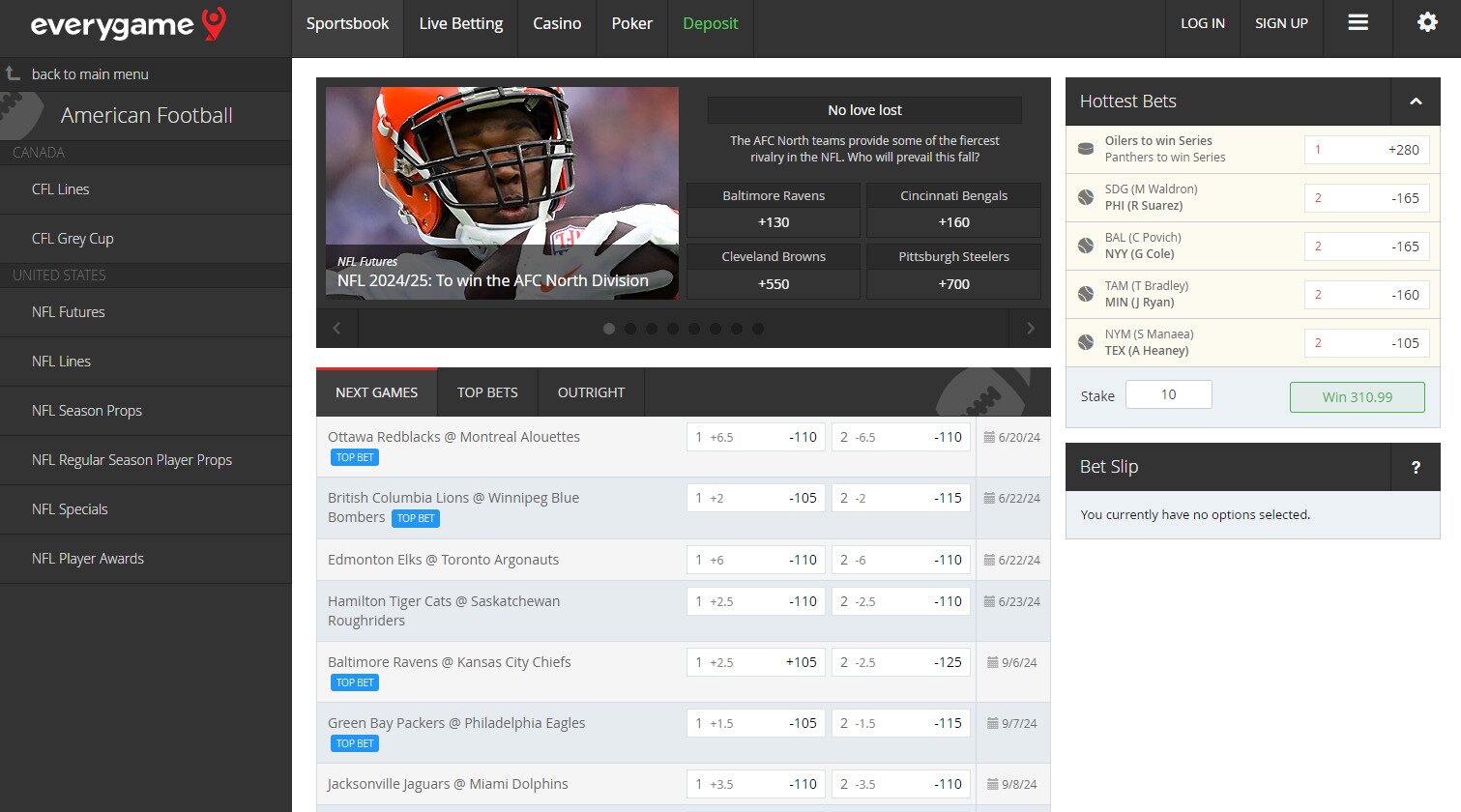
Once you’ve ironed out the wrinkles you can officially open your sportsbook to the general public. You still need to closely monitor all aspects of the business and optimize operations for efficiency. Adjust odds as needed and ensure that you remain compliant with all applicable regulations and licensing requirements.
Start Your Sportsbook Business Today
Starting a new sportsbook business is a big undertaking, but it can be done. It requires careful planning, proper licensing, comprehensive compliance with both federal and state regulations, and a large amount of capital to cover startup costs.
But by implementing a solid marketing plan and offering competitive odds that satisfy bettors you can potentially create an exciting and lucrative sportsbook business.
Subscribe now and get instant access to:
- A sports bonus worth up to $1,250
- Free weekly picks and betting tips
- Cash back on your wagers
Plus, up to $10,000 in bonuses and 200 free spins to use on blackjack, slots, and your other favorite casino games.


