 USA
USA Canada
 Australia
 UK
UKCountries Where Gambling is Legal: Laws and Jurisdictions

Countries where gambling is legal manage it in various ways, resulting in a complex global landscape. Laws change depending on where you are, so it’s important to know how things work in each place if you want to understand what is allowed.
In this guide, we will explain online gambling laws for each country. We will also point out the best gambling jurisdictions and authorities where you would want your online casino or sportsbook to be licensed.
Disclosure: At GamblingSites.com, our mission is to connect you with the best gambling sites and informational resources available. If you click one of the links on our site, we may earn a commission payment at no extra charge to you.

This score goes to the highest rated sites by experts. Only sites that hold an expert rating of above 85% are given this status.

A green Jackpot Certified score is awarded when at least 60% of expert reviews are positive.

A red Bust score is displayed when less than 60% of expert reviews are positive.

A grayed-out gem means there are not enough expert ratings to produce a score. The gambling site could be new.

A green Jackpot Certified score means that at least 60% of player reviews are positive.

A red Bust score means that less that 59% or less of player reviews are positive.

A grayed-out face means there are not enough player reviews to produce a score.
Online Gambling Laws by Country
Online gambling laws vary a lot around the world. Countries like the UK, Ireland, Malta, and Germany set regulations at the national level. In bigger places such as the US and Canada, it’s handled regionally, so individual states or provinces set their own rules.
Now, putting all that together across jurisdictions, there’s no single set of international gambling laws or global treaty that oversees the industry. That said, a few bodies do influence how countries shape their own rules. The World Trade Organization (WTO), for example, sometimes steps in when gambling laws affect cross-border trade, like in the Antigua vs. US case.
Also, institutions like the Financial Action Task Force (FATF) push governments to regulate gambling platforms to prevent money laundering and terrorism financing. This ends up a major factor of how strict or flexible a country’s system needs to be.
And if that wasn’t already tricky enough, the laws also have to account for different operational structures. Land-based casinos are usually the easiest to regulate with local laws and taxes.
Online gambling’s a whole other story. It crosses borders, which makes it harder to control, license, or enforce. That’s especially true when offshore sites are fully legal where they’re based but not necessarily aligned with the rules of the country players are in. In some places like Finland or Norway, it’s even stricter — only state-run operators are allowed to offer gambling, which shuts out private platforms entirely.
United States

The regulation of online gambling in the U.S. sits at the state level, but to understand how it got there, you’ve got to look back. In 1961, the Federal Wire Act was passed to stop organized crime from running sports bets across state lines by phone. This law later became the basis for online gambling, even though the internet wasn’t even a thing back then.
Fast forward to the late ’90s and early 2000s — online gambling takes off. Sportsbooks and casinos licensed by offshore gambling jurisdictions start taking bets from U.S. players. But regulators can’t go after the sites, so they target the payments. That’s where the 2006 UIGEA came in. It made it illegal for banks to move money tied to unlawful online betting. But for players, gambling on internationally-licensed sites was never against the law.
Then in 2011, things shifted. The DOJ said the Wire Act only applies to sports betting, which opened the door for states to legalize online poker and casino games. Another big moment came in 2018, when the Supreme Court struck down PASPA. That ruling let states decide for themselves whether to allow sports betting, which until then was mostly restricted to Nevada.
Canada
 The Criminal Code of Canada has banned gambling for decades, but in 1985, the federal government handed over control to the provinces. That gave them full say over how, when, and if gambling could happen within their own borders. By the early 2000s, provinces like BC and Quebec were already running their own government-backed gambling sites with online slots, lottery games, and poker.
The big shift came in 2021 with Bill C-218. It amended the Criminal Code to allow single-event sports betting — before that, Canadians could only bet on parlays.
Ontario took things further. In April 2022, it became the first province to launch a fully regulated open market under iGaming Ontario, letting private operators run online casinos and sportsbooks as long as they held a provincial license. No other province has followed suit so far. Alberta and Manitoba stuck with government-run sites, and the rest haven’t launched full online gambling platforms at all.
That gap naturally pushes millions of residents to play on CA sites licensed in other online gambling jurisdictions. And while those platforms aren’t regulated locally, players using them aren’t breaking any laws either.
United Kingdom
 The UK passed the Gambling Act in 2005 to replace a patchwork of older laws and catch up with the rise of online gambling. It created one unified system for everything — online and offline — and set up the UK Gambling Commission (UKGC) to run the show.
The UKGC’s role is to license operators, enforce rules, protect players, and work to keep gambling free from crime. It’s the only body that can issue gambling licenses in England, Scotland, and Wales. It also oversees marketing, anti-money laundering rules, and game fairness. Any company offering its services in the UK, whether based locally or overseas, needs a UKGC license to fully comply with gambling laws in Great Britain.
Of course, that only applies to the operators. Players, on the other hand, aren’t restricted and can choose freely between UKGC and offshore-licensed gambling sites.
Northern Ireland didn’t adopt the 2005 Act. It still runs under a 1985 law that wasn’t built with online gambling in mind, so it’s handled separately.
Australia
 Australia’s setup is a bit of a hybrid. Federal law decides what’s allowed online, while state law handles who gets licensed to offer it. The problem is, there aren’t many options, which is why a lot of people end up using AU offshore-licensed sites.
Under the Interactive Gambling Act 2001, it’s illegal to offer online casino games like slots, blackjack, or any form of online poker to players in Australia. Sports betting is allowed, but under strict rules. For example, in-play bets are banned online. You can only place those over the phone or in person.
Asia
Countries across Asia handle things on their own. There’s no shared legal framework, and the rules can be wildly different depending on where you are.
Gambling laws in India, for example, are fragmented and state-based. There is the Public Gambling Act of 1867, though that’s massively outdated. It doesn’t even touch online play, which makes sense because it came out before electricity was common. Each state decides for itself. For instance:
- Sikkim and Nagaland have issued licenses for online betting or games of skill.
- Goa allows land-based casinos.
- Telangana and Andhra Pradesh ban all forms of online gambling.
Countries like Japan have very tight gambling laws. Online casino gaming and sports betting are banned, and the government has even looked at blocking offshore sites. Technically, it’s illegal for players to use them too, even if the site’s based abroad. Penalties are possible, but in practice, enforcement is rare and pretty selective.
Online Gambling Jurisdictions and License Authorities
What is an Online Gambling Jurisdiction?
An online gambling jurisdiction is a country, state, or autonomous region that has the legal power to regulate internet-based gambling activities. It sets the rules for who can get a license, what kinds of games are allowed, and how operators are expected to run things.
Gambling jurisdictions vary in how strict or permissive they are. Those differences often shape which sites can legally offer services in certain markets.
Do Online Gambling Legislation and Regulation Affect You?
Yes, online gambling laws definitely affect you because they shape what’s available. Depending on where you live, some sites are licensed locally, while others run out of international jurisdictions with their own rules. Knowing the legal setup where you live and how different licenses work helps you pick a site that matches what you’re comfortable with.
How Are Online Gambling Sites Regulated?
Online gambling sites are regulated through a series of technical, financial, and operational controls once licensed by a jurisdiction. That includes:
- Testing games to make sure they’re fair
- Doing financial audits to prove the site’s solvency
- Putting proper anti-money laundering checks in place
- Securing user data
- Offering responsible gambling tools.
Regulators also expect regular reports and can step in with investigations or penalties if things don’t line up.
What Makes a Country a “Top Gambling Jurisdiction For Online Casinos”?
A country earns its spot as a top gambling jurisdiction when it gives online casinos a stable place to operate and a name people trust. Players feel safe using it, and payment providers are willing to be part of the ecosystem. Many things come into play—clear rules to protect all sides, an efficient licensing process, and a reputation that holds up.
Alderney
Alderney, part of the Channel Islands, is known for having one of the strictest regulatory setups, run by the Alderney Gambling Control Commission. Operators like it because of the tax-neutral environment, but it’s not a free pass. The standards for player protection and game fairness are high, which is why its online gaming licenses are respected around the world.
Antigua and Barbuda
This place was one of the earliest to hand out online casino licenses, way back in the ’90s. It’s still around, but not as widely used now. Operators can apply through the Directorate of Offshore Gaming, and the country also played a role in international trade disputes related to gambling rights.
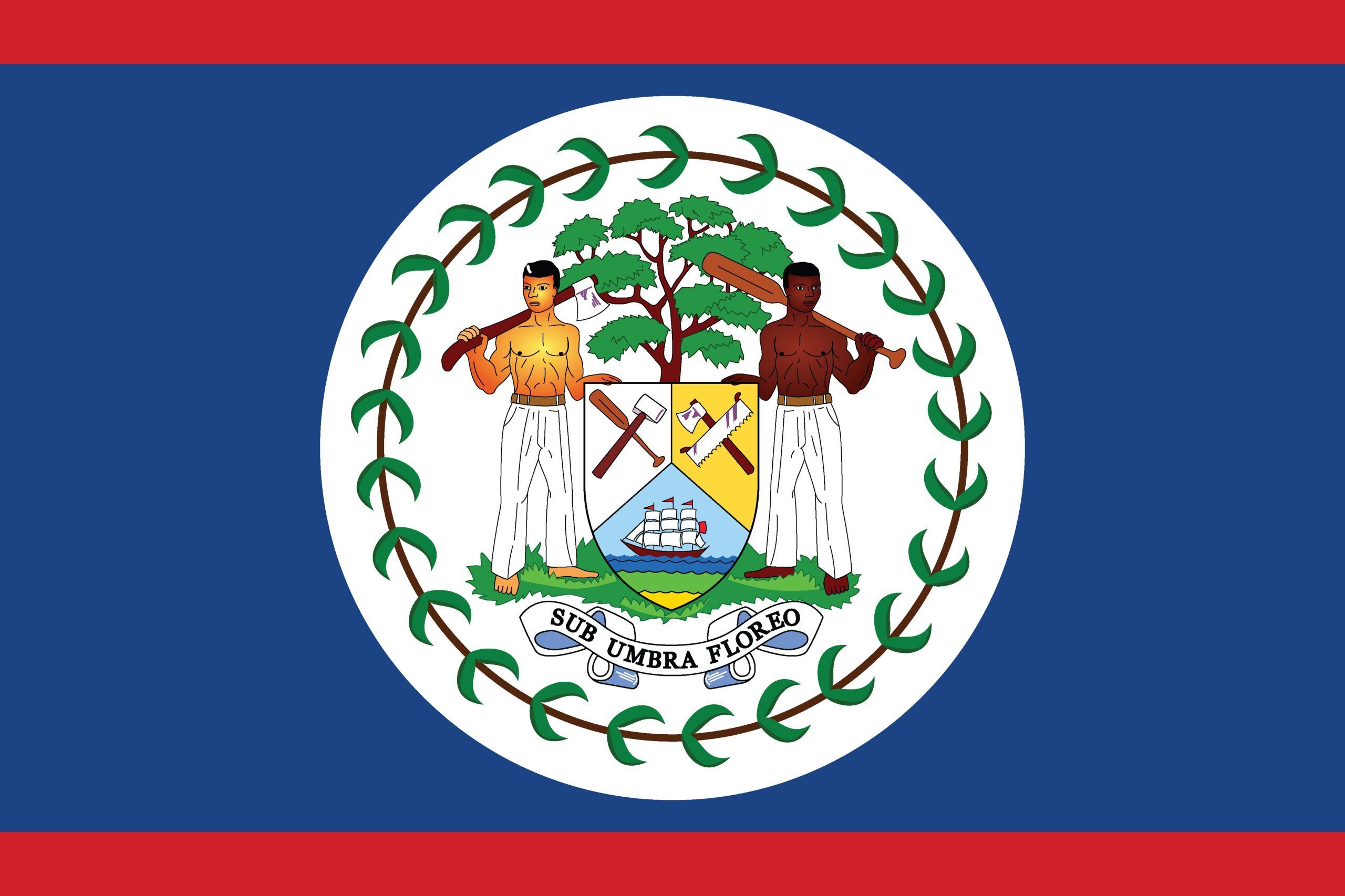
Belize
Belize offers licenses through the Gaming Control Board. The process is relatively quick and cost-efficient. Oversight exists but is lighter compared to other countries where gambling is legal.
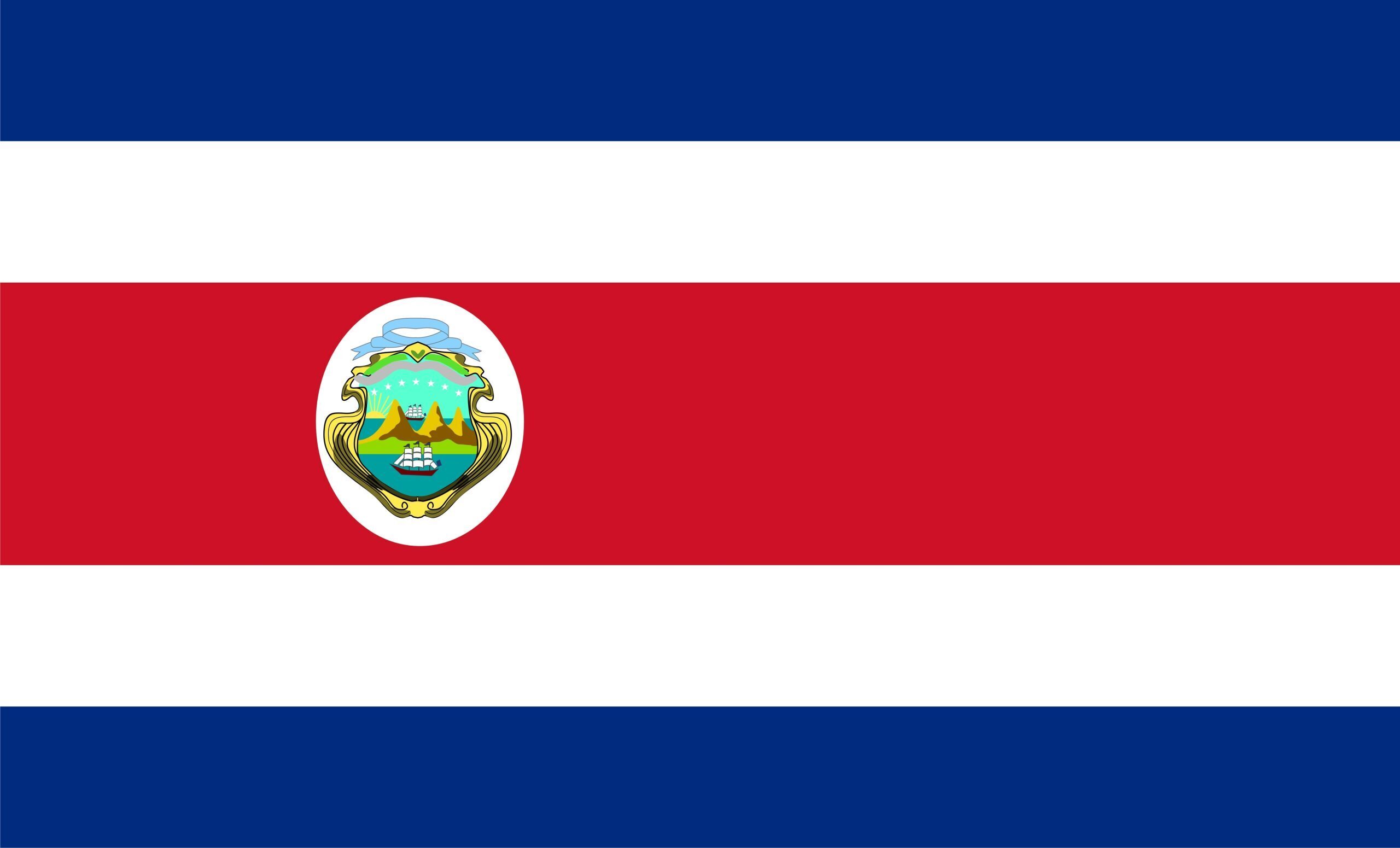
Costa Rica
Costa Rica doesn’t issue formal gambling licenses. What companies do instead is register as a business — often under data processing — and run their services internationally from there. There’s no specific regulator, but they still have to follow local laws, including AML and CFT rules. Offering gambling to people in Costa Rica itself isn’t allowed.
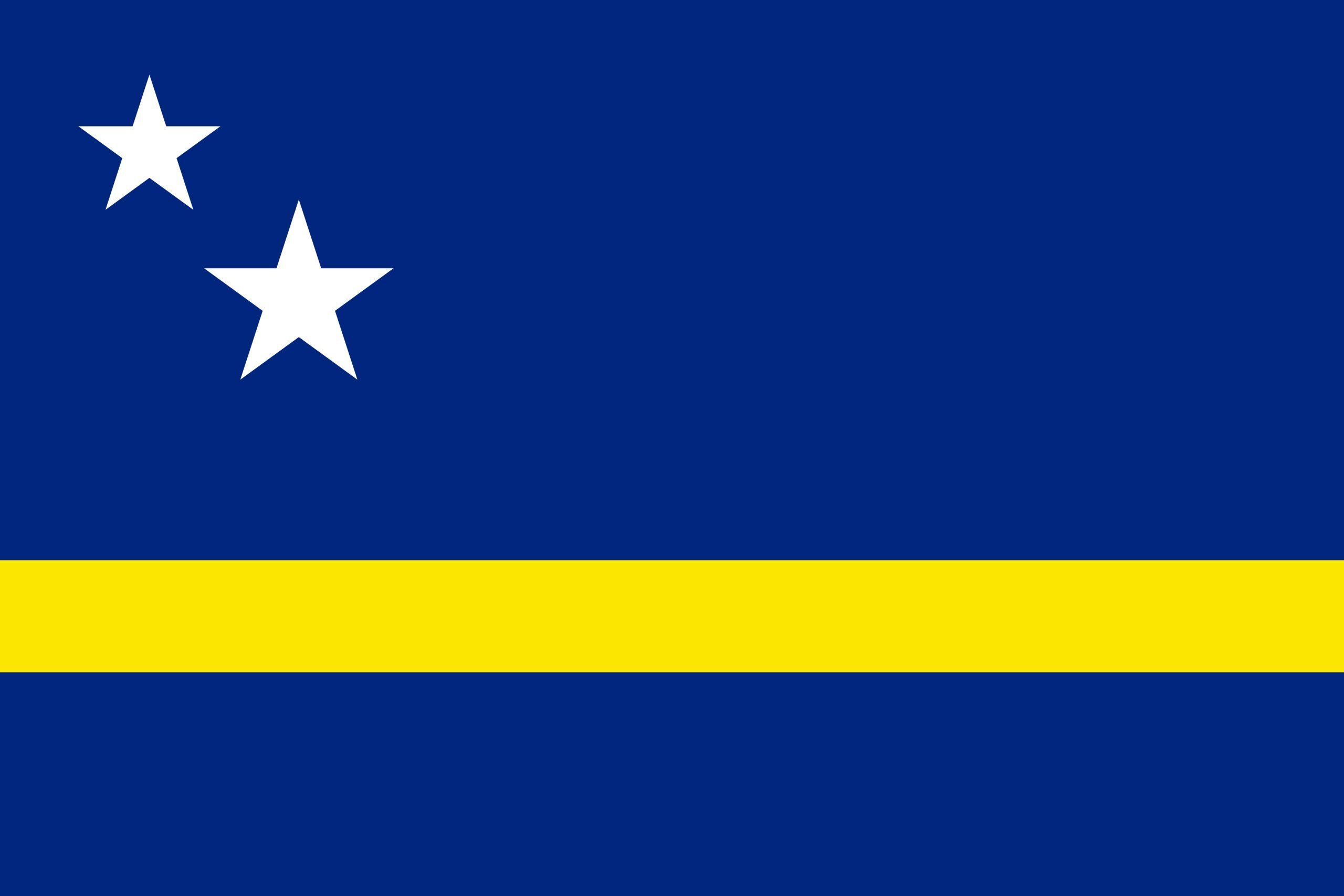
Curaçao
Curaçao has been a popular jurisdiction for online gambling due to its single-license system covering all game types. It used to run through master license holders who handed out sub-licenses. But as of December 24, 2024, Curaçao brought in the National Ordinance on Games of Chance (LOK), and now the new Curaçao Gaming Authority handles licensing and regulation directly for both B2B and B2C operators.
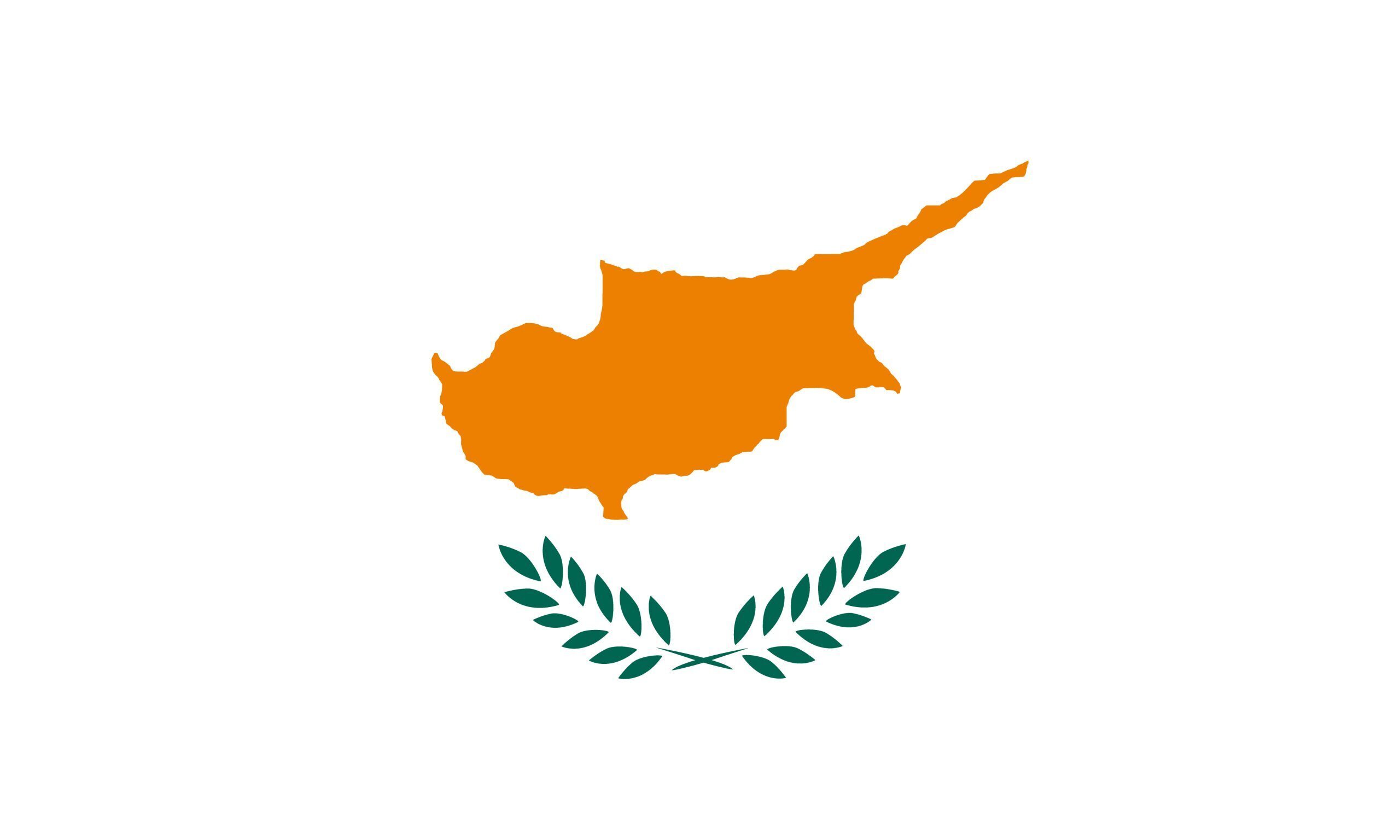
Cyprus
Cyprus regulates online sports betting through its National Betting Authority. Only operators offering fixed-odds gambling can apply, and casino games are not currently licensed online. The country maintains clear laws around advertising, responsible gambling, and reporting obligations.
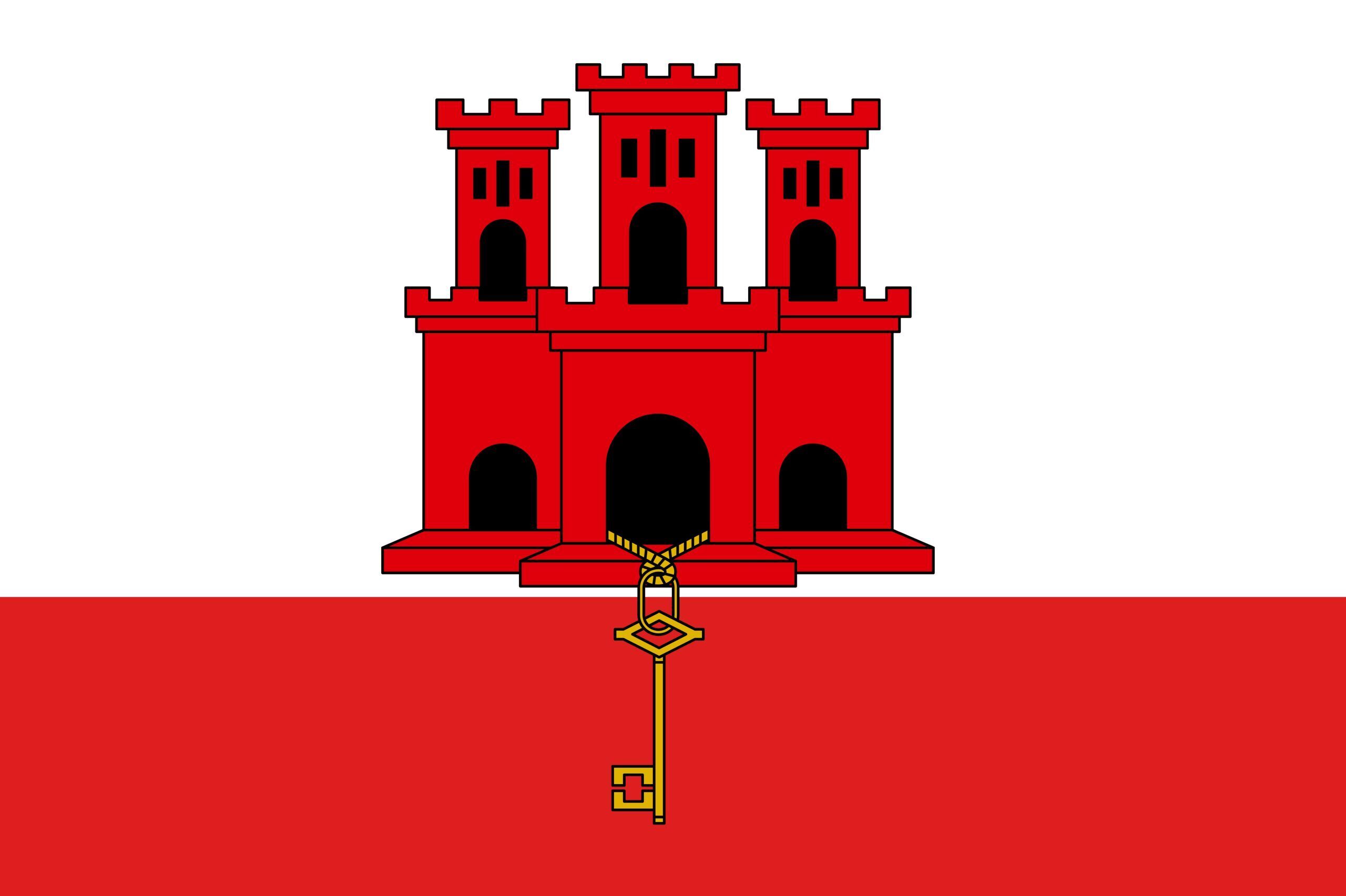
Gibraltar
Gibraltar’s a long-standing player in the online gambling space, with licenses issued through its Gambling Division. It offers a tax-friendly setup but still keeps tight regulatory standards and works closely with UK and EU authorities. Operators have to show financial stability and solid business practices to get in, and player protection is built into the process.
Some updates are expected later this year to expand what’s allowed and bring marketing services under clearer oversight.
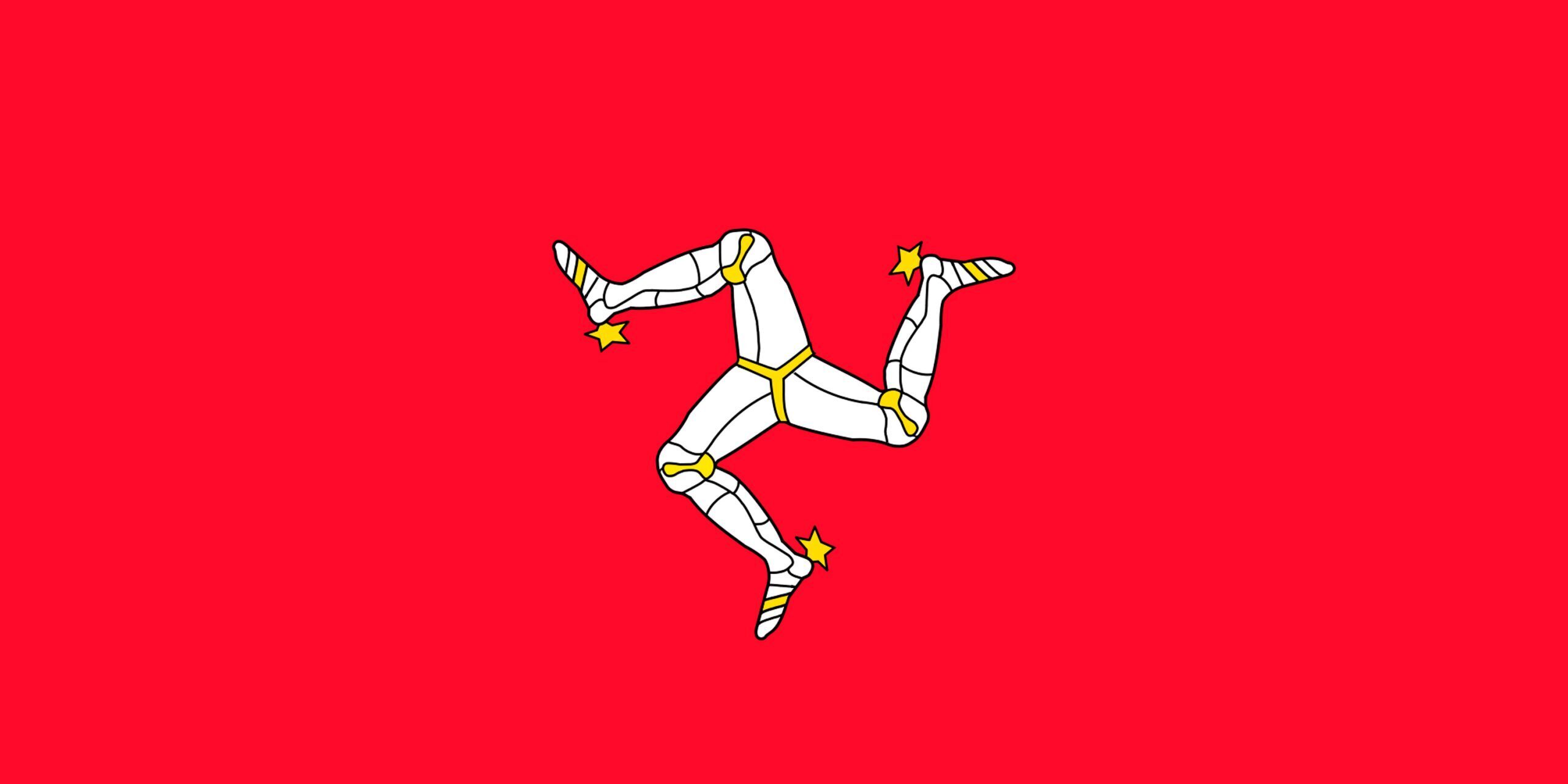
Isle of Man
The Isle of Man Gambling Supervision Commission runs a well-respected framework. Operators need a real presence on the island, including local directors and servers. It’s known for strong player protection and has built a reputation for backing blockchain-based gaming projects too.

The Kahnawake Gaming Commission
The Kahnawake Gaming Commission was created in 1996 to regulate gambling on Mohawk land, based on their Indigenous right to self-govern. While the license doesn’t grant legal access within Canada, the commission acts as an independent regulator for international operators, outside both federal and provincial systems.
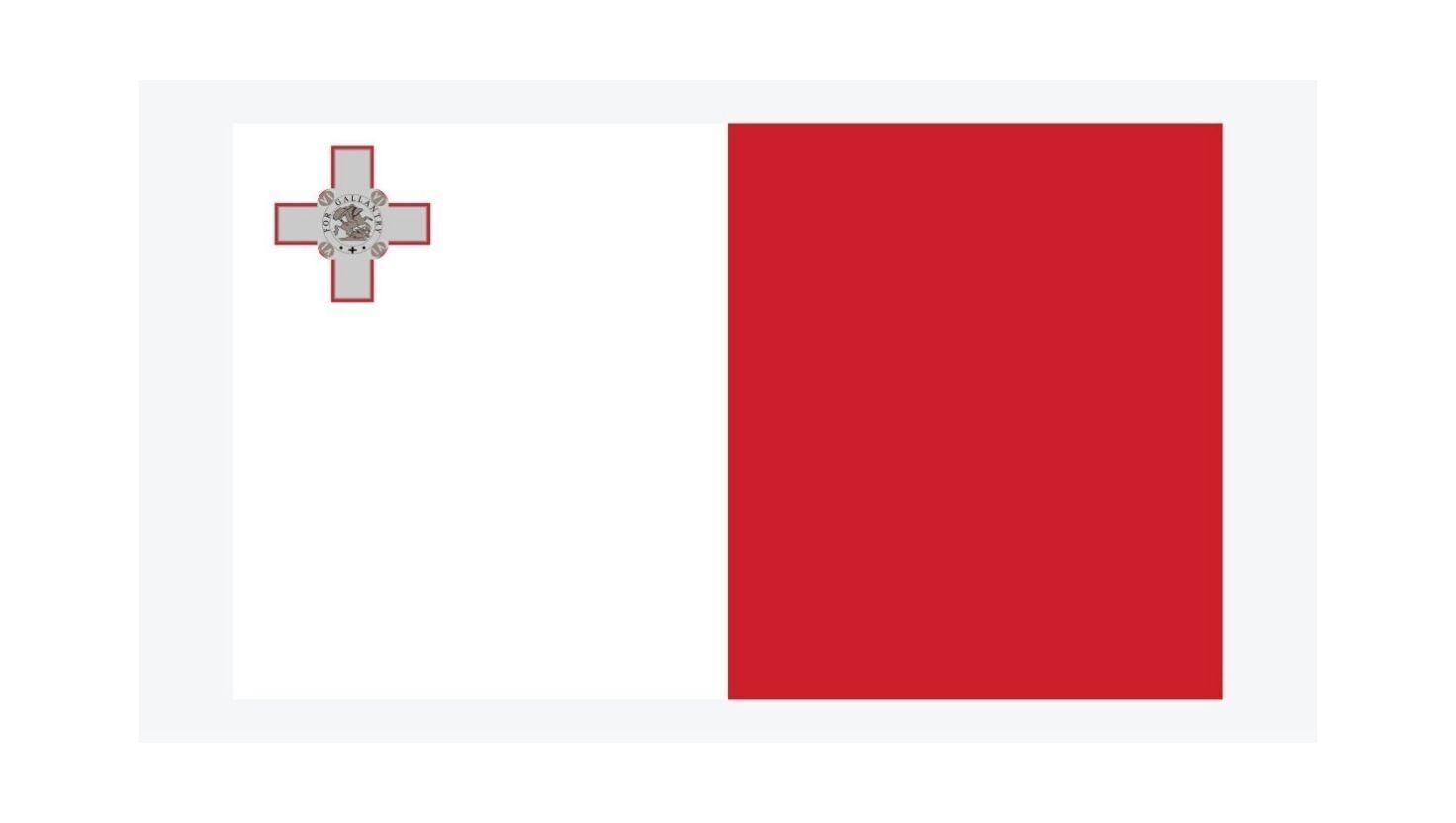
Malta
If you see a Malta Gaming Authority (MGA) license, that’s usually a strong signal the site’s legit. Malta’s an EU member with tough compliance standards, solid player protection, and a big role in shaping the iGaming space. Operators licensed there go through regular checks to stay in line with both local and EU laws.
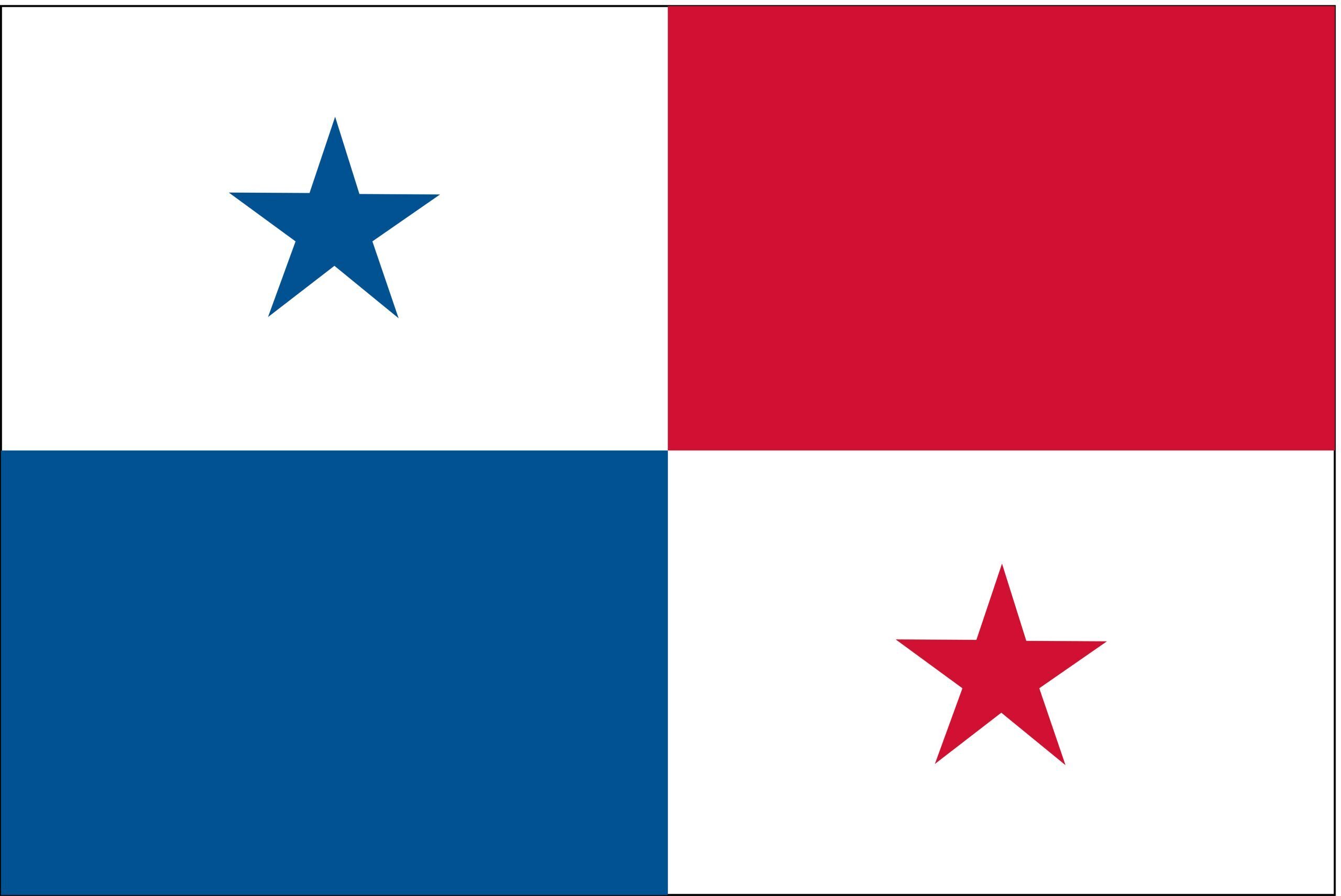
Panama
Panama offers online gambling licenses through its Gaming Control Board. It has straightforward laws for remote operators, but companies have to be locally incorporated. The framework covers both casino and sports betting and is built to support international operations.
Countries Where Gambling is Highly Restricted
Some parts of the world ban gambling outright, both online and in person. Countries like Qatar, the UAE, North Korea, Brunei, Iraq, and Iran have strict religious laws, especially under Islamic legal systems, where any kind of betting is treated as a serious offense.
There’s no access to licensed sites, and offshore platforms are usually blocked. Even using a VPN doesn’t mean you’re in the clear. In a lot of these places, placing a bet—even online—can lead to fines, arrests, or actual criminal charges.
Play at Legal Online Casinos with Trusted Licenses
Depending on where you live, the laws around online gambling can look completely different. Some countries run it through one national system, others leave it to regions, and some barely touch on it at all.
If the law targets the operator and not you as a player, that usually means you’re free to choose where to play. One thing that really matters is where a site’s licensed. Strong jurisdictions follow proper rules and audit regularly for fairness and player protection.
Have a look at the best offshore casinos available. Each one’s been vetted by industry experts and has real player feedback to back it up.