Top Marathon Training Destinations in the US, Ranked
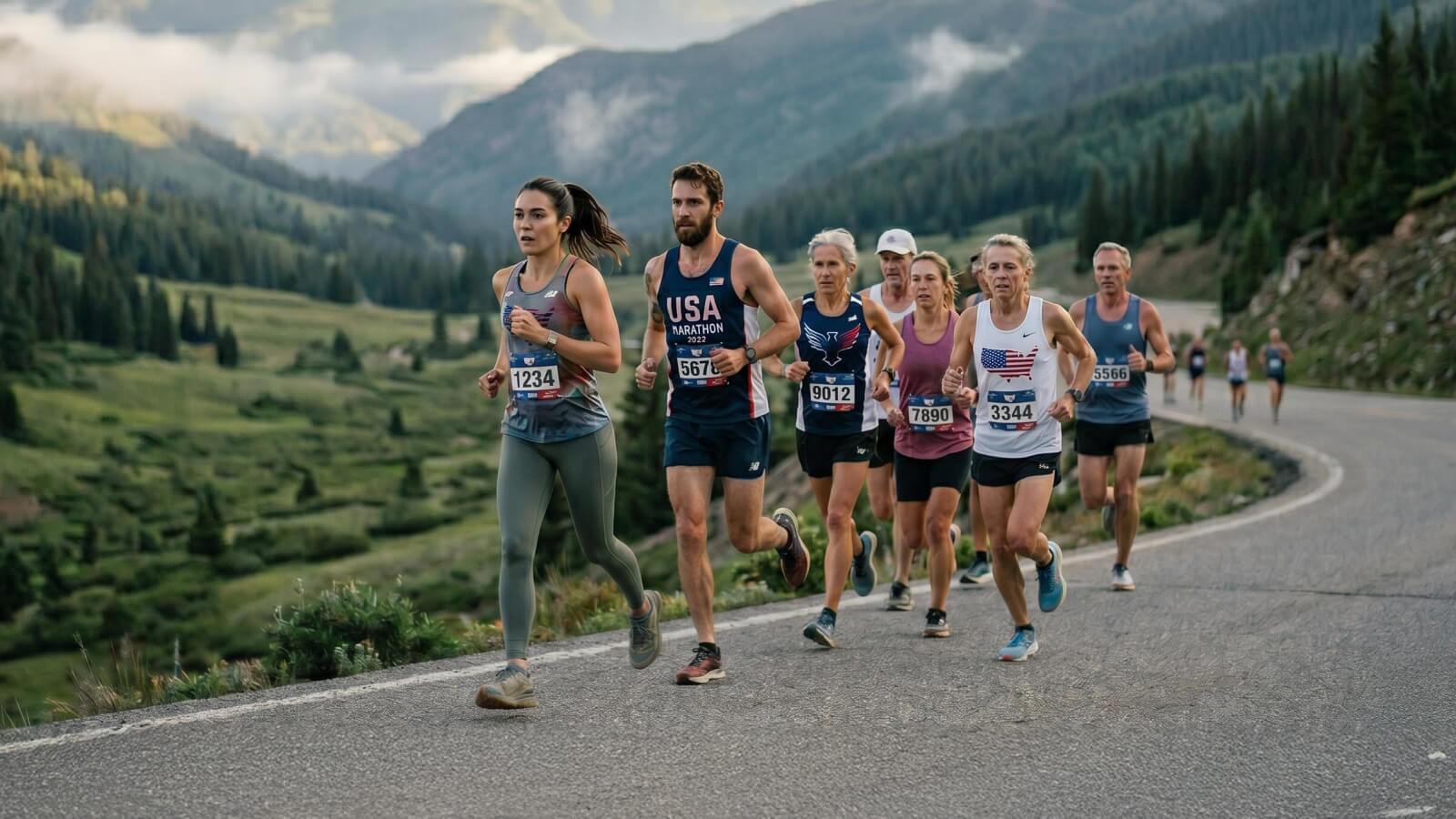
Marathon training in the US depends on more than mileage, with clubs, communities, weather, and terrain all influencing how effectively runners can prepare. Some cities make the process effortless — world-class trails, 300+ days of runnable weather, and a club scene that fills out the calendar year-round, while others leave runners grinding through heat, humidity, or near-total isolation
To explore this, we identified the most notable marathon in each state based on factors such as recognition, participation, and cultural significance. Using media and community sources, we ranked how well each host destination supports marathon preparation and then scored every city across infrastructure, community, and weather to see which ones actually set runners up for success.
Key Findings:
- Carmel & The Monterey Peninsula in California beats NYC, Chicago, and Boston as the best place to train for a marathon.
- Biloxi in Mississippi ranks as the worst destination for Marathon training, not far behind Kiawah Island #49 and Baton Rouge #48.
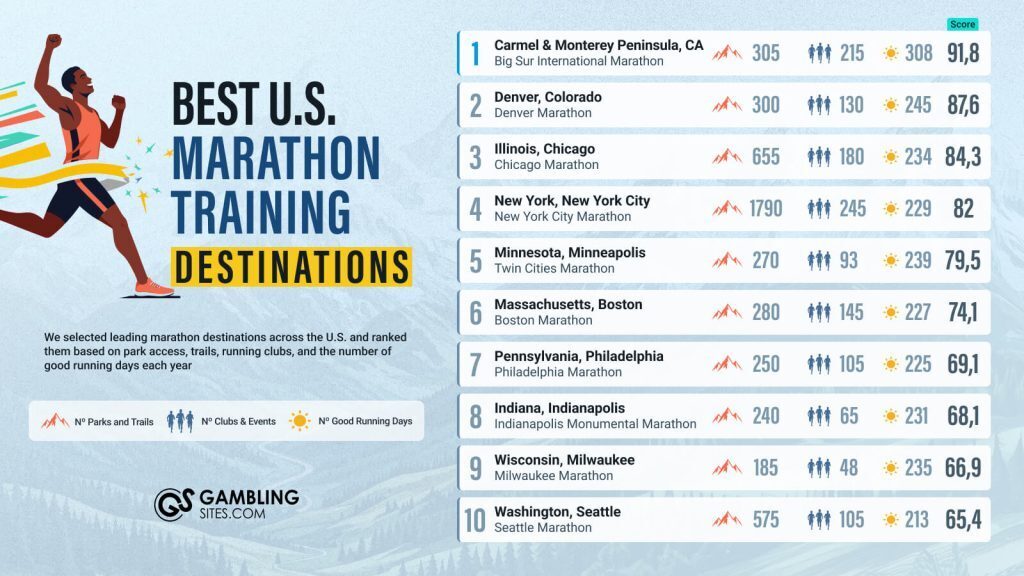
- Even with 1,790 parks, 245 events, and a 100% community score NY only ranks as the 4th best city to train in for a marathon.
The Five Best Destinations to Train for a Marathon
Training for a marathon starts with choosing the right environment, and some locations make that effort far easier than others. Across the country, differences in terrain, weather, community support, and access to quality routes create gaps in how well runners can prepare. The five destinations below offer the most reliable, runner-friendly conditions in the United States, giving athletes an advantage before the big day.
#1 Carmel
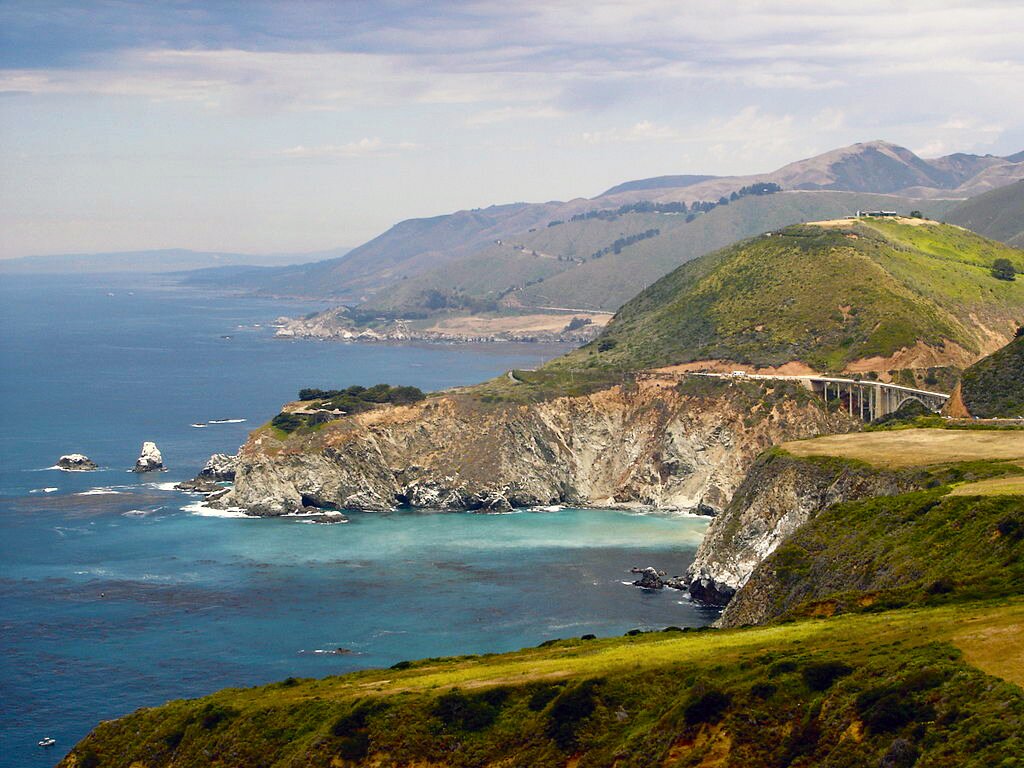
Carmel’s marathon training facilities are considered world-class. Runners get access to a 17-mile drive, endurance-pushing scenic terrains like the Carmel Valley Road in California, and they can train on similar coastal trails to what the Big Sur marathon demands – that’s with 308 good running days a year!
Even though the town is relatively small: 3,500 in population with a limited geography, residents and visitors have access to the surrounding area of the Monterey Peninsula, which is loaded with running clubs, specialized gyms, coaching centers and a big runners’ community, led by the Big Sur foundation.
Carmel’s concentration of training facilities is rightly justified, as the race itself is not for casual runners, but for those who can exert themselves a little more by starting with a moderate tempo – in runners’ lingo that’s starting at Zone 3, or above.
The race’s max running time of 6 hours plays a crucial part in this pacing strategy.
#2 Denver
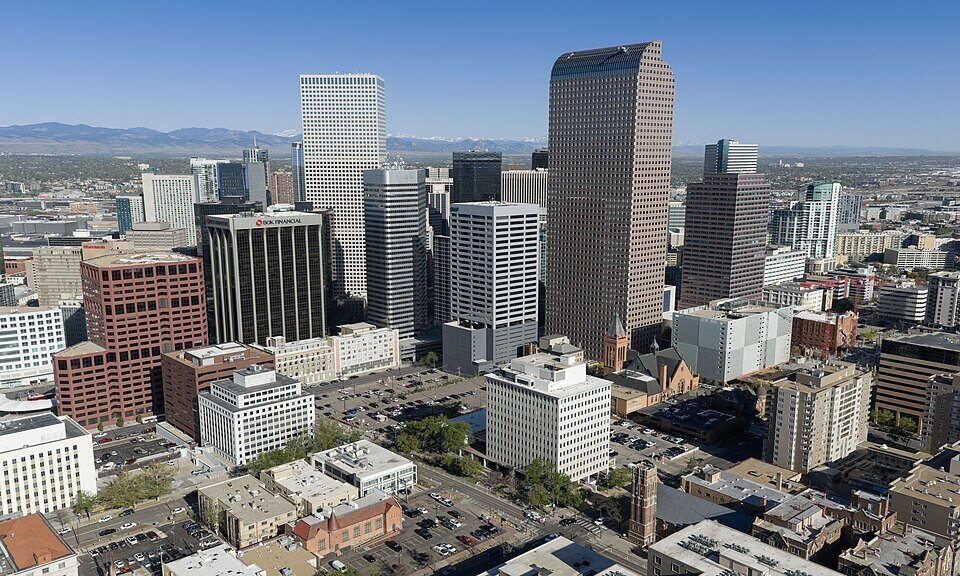
Marathon training in Denver, Colorado, is all about altitude. There’s a 5,280 foot-elevation point runners need to be prepared for, which usually results in slower paces and faster dehydration to the dry air and intense sun.
You’d think this intensity would discourage athletes from training, as the most iconic race within the state (Denver Marathon) only has a 37.5 elevation score – a key predictor in physical difficulty – though, it seems that the elevation adds a challenge and a boost in training.
If you add the 245 days of sun, a tight knit eco-system of Olympic-level coaches, and easy to access high-altitude mountain routes, Denver offers a concentrated set of advantages that make it one of the best environments in the country for marathon preparation.
#3 Chicago
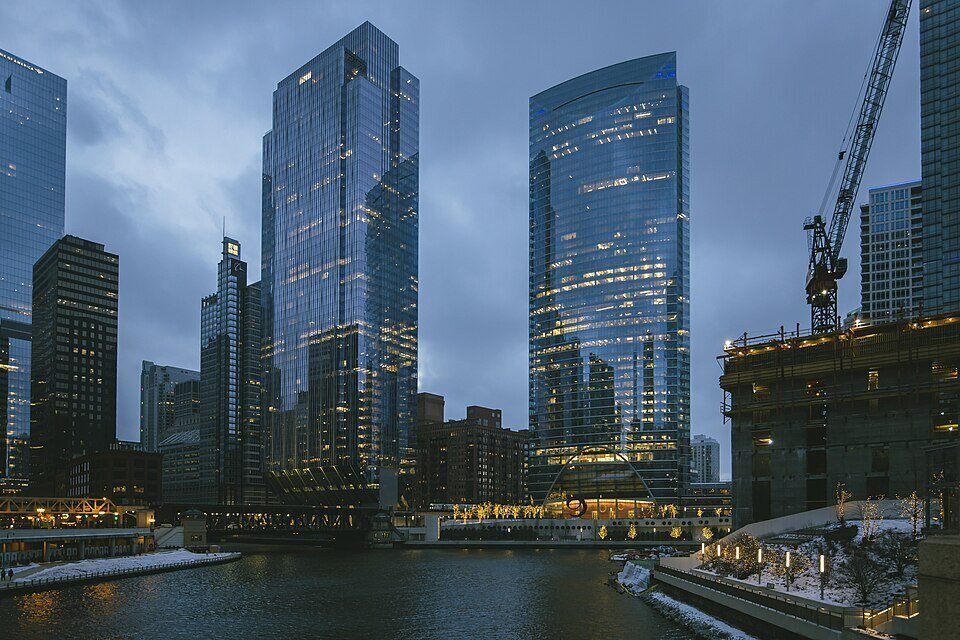
Chicago’s running identity is anchored by the lakefront – 18 miles of flat, and uninterrupted, trail wrapping in from South Shore to Edgewater. This friendly route pulls in both elite athletes and first-timers every year, and pops it in #3rd position on our winners’ podium.
Aside from the iconic lakefront terrain, Chicago’s infrastructure depth, consistent weather, and active club network also maintain its position in the rankings. Particularly, its community-led events which fill out the calendar all year round. Examples include Chicago Endurance Sports, Fleet Feet Chicago and Chicago Area Runners Association – known as “Chicagoland’s running club” – which together sustain the consistency that keep Chicago ranked among the top marathon‑training cities in the U.S.
#4 New York City
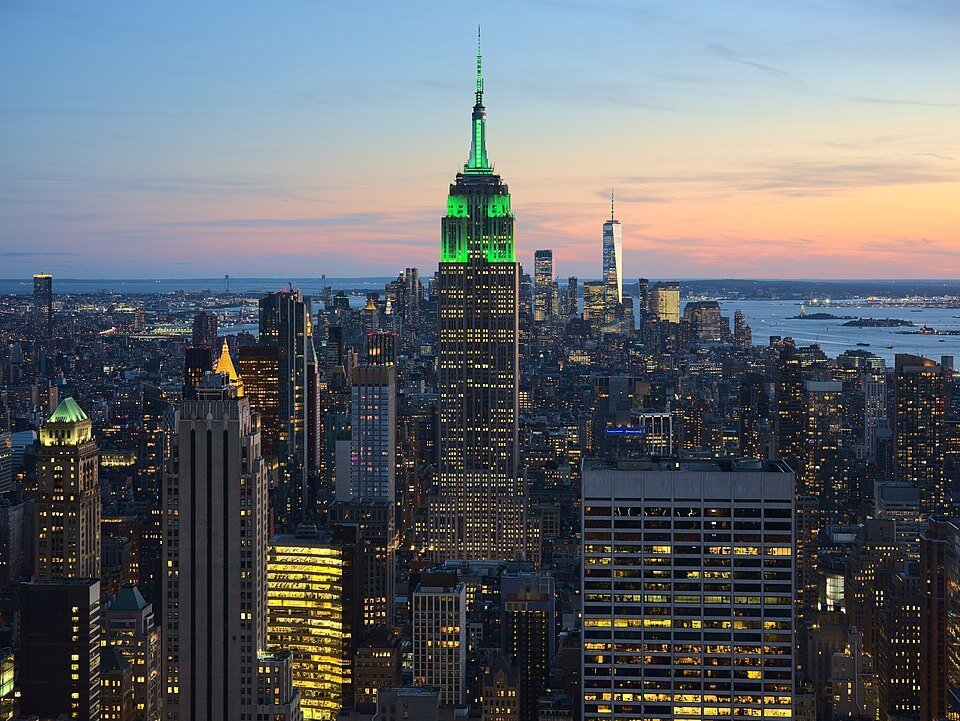
New York City’s running scene is defined by sheer density: people, routes, and a running culture layered across the five boroughs. Training means moving through waterfront paths, park loops, bridges, and neighborhoods that change in feel from mile to mile. With 1,790 parks and trails, the city offers more accessible running space than anywhere else in the country.
Central Park sits at the heart of it. Its mix of hills, flats, and steady mileage gives runners dependable terrain, and the New York Marathon finish line only strengthens its pull for serious training.
What ultimately sets NYC apart is its culture. Year‑round races, active clubs, and a community that treats running as a lifestyle create one of the most prepared, performance‑driven training ecosystems in the U.S.
#5 Minneapolis
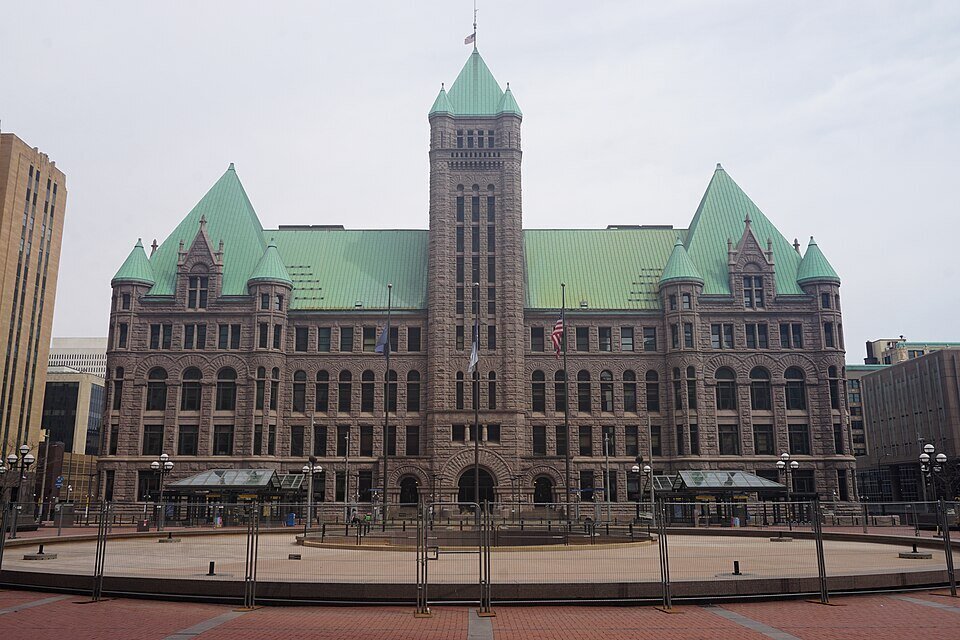
Despite the extreme weather conditions in Minneapolis, the city provides an unusually supportive training environment, built around its chain of lakes, riverfront paths, and an extensive trail system that connects neighborhoods. The terrain is mostly gentle but comes with profile variations at certain locations like Theodore Wirth Park.
The weather in Minneapolis does need a mention! Even during cold stretches, runners are out in full sporting glory as they adapt to the environment. What’s known as the “freeze/thaw” approach keeps runners up-to-date with their training. Some also train indoors at places like Run Minnesota or Performance Running Gym, establishing Minneapolis’ position in the rankings as one of the better U.S. cities for marathon training.
Does a Great Training City Mean an Easy Race?
Not necessarily. Some of the best training destinations in the country host surprisingly tough marathons. Carmel ranks #1 for training, but the Big Sur Marathon sits at #10 for difficulty with 1,660 feet of elevation gain. Denver ranks #2 for training, yet the altitude that makes it great for preparation also makes race day harder than most. If you want to see how every state’s most iconic race stacks up, we’ve ranked all 50 in our full US marathon difficulty ranking.
All 50 States Ranked for Marathon Training
The table below ranks every host destination by overall training score — broken down by infrastructure, community strength, and weather. Weather carries slightly more weight (40%) because of its direct impact on training consistency — it’s not a factor that likes to be left alone.
| Rank | City | State | Parks + Trails | Infrastructure Score | Clubs + Events | Community Score | Good Running Days | Weather Score | Overall Score |
| 1 | Carmel | California | 305 | 91.8 | 215 | 98.0 | 308 | 100.0 | 96.9 |
| 2 | Denver | Colorado | 300 | 89.8 | 130 | 91.8 | 245 | 82.7 | 87.6 |
| 3 | Chicago | Illinois | 655 | 98.0 | 180 | 95.9 | 234 | 65.3 | 84.3 |
| 4 | New York City | New York | 1,790 | 100.0 | 245 | 100.0 | 229 | 55.1 | 82.0 |
| 5 | Minneapolis | Minnesota | 270 | 85.7 | 93 | 78.6 | 239 | 75.5 | 79.5 |
| 6 | Boston | Massachusetts | 280 | 87.8 | 145 | 93.9 | 227 | 49.0 | 74.1 |
| 7 | Philadelphia | Pennsylvania | 250 | 83.7 | 105 | 86.7 | 225 | 44.9 | 69.1 |
| 8 | Indianapolis | Indiana | 240 | 81.6 | 65 | 69.4 | 231 | 57.1 | 68.1 |
| 9 | Milwaukee | Wisconsin | 185 | 73.5 | 48 | 58.2 | 235 | 68.4 | 66.9 |
| 10 | Seattle | Washington | 575 | 95.9 | 105 | 86.7 | 213 | 26.5 | 65.4 |
| 11 | Honolulu | Hawaii | 100 | 46.9 | 48 | 58.2 | 245 | 82.7 | 64.6 |
| 12 | Detroit | Michigan | 215 | 78.6 | 67 | 72.4 | 223 | 38.8 | 60.8 |
| 13 | Lincoln | Nebraska | 165 | 70.4 | 27 | 32.7 | 238 | 73.5 | 60.3 |
| 14 | Portland | Oregon | 365 | 93.9 | 108 | 89.8 | 205 | 12.2 | 60.0 |
| 15 | Arlington | Virginia | 200 | 75.5 | 93 | 78.6 | 217 | 32.7 | 59.3 |
| 16 | Des Moines | Iowa | 105 | 51.0 | 31 | 40.8 | 241 | 77.6 | 58.6 |
| 17 | Missoula | Montana | 95 | 42.9 | 25 | 27.6 | 257 | 88.8 | 56.7 |
| 18 | Cincinnati | Ohio | 130 | 59.2 | 67 | 72.4 | 223 | 38.8 | 55.0 |
| 19 | Fargo | North Dakota | 100 | 46.9 | 19 | 15.3 | 257 | 88.8 | 54.2 |
| 20 | Albuquerque | New Mexico | 80 | 36.7 | 25 | 27.6 | 249 | 85.7 | 53.6 |
| 21 | Baltimore | Maryland | 125 | 57.1 | 58 | 65.3 | 223 | 38.8 | 52.2 |
| 22 | St. George | Utah | 75 | 29.6 | 30 | 37.8 | 242 | 79.6 | 52.1 |
| 23 | Mesa | Arizona | 100 | 46.9 | 53 | 61.2 | 227 | 49.0 | 52.0 |
| 24 | St. Louis | Missouri | 150 | 64.3 | 55 | 63.3 | 217 | 32.7 | 51.4 |
| 25 | Atlanta | Georgia | 145 | 61.2 | 80 | 75.5 | 208 | 21.4 | 49.6 |
| 26 | Sun Valley | Idaho | 65 | 21.4 | 18 | 12.2 | 281 | 98.0 | 49.3 |
| 27 | Atlantic City | New Jersey | 58 | 18.4 | 36 | 50.0 | 237 | 71.4 | 49.1 |
| 28 | Houston | Texas | 215 | 78.6 | 95 | 81.6 | 166 | 2.0 | 48.9 |
| 29 | Hartford | Connecticut | 77 | 33.7 | 42 | 53.1 | 228 | 53.1 | 47.3 |
| 30 | Las Vegas | Nevada | 67 | 24.5 | 35 | 46.9 | 233 | 63.3 | 46.7 |
| 31 | Nashville | Tennessee | 150 | 64.3 | 60 | 67.3 | 207 | 17.3 | 46.4 |
| 32 | Orlando | Florida | 165 | 70.4 | 97 | 83.7 | 154 | 0.0 | 46.2 |
| 33 | Louisville | Kentucky | 155 | 67.3 | 36 | 50.0 | 210 | 24.5 | 45.0 |
| 34 | Fairbanks | Alaska | 55 | 15.3 | 15 | 7.1 | 264 | 93.9 | 44.3 |
| 35 | Portland | Maine | 75 | 29.6 | 27 | 32.7 | 232 | 60.2 | 42.8 |
| 36 | Oak Island | North Carolina | 85 | 38.8 | 43 | 55.1 | 215 | 28.6 | 39.6 |
| 37 | Casper | Wyoming | 33 | 2.0 | 8 | 0.0 | 269 | 95.9 | 39.0 |
| 38 | Brookings | South Dakota | 30 | 0.0 | 10 | 2.0 | 258 | 91.8 | 37.3 |
| 39 | Tulsa | Oklahoma | 110 | 55.1 | 34 | 44.9 | 207 | 17.3 | 36.9 |
| 40 | Newport | Rhode Island | 40 | 6.1 | 22 | 19.4 | 235 | 68.4 | 35.0 |
| 41 | Huntsville | Alabama | 107 | 53.1 | 33 | 42.9 | 203 | 10.2 | 32.9 |
| 42 | Keene | New Hampshire | 53 | 12.2 | 19 | 15.3 | 232 | 60.2 | 32.3 |
| 43 | Wichita | Kansas | 77 | 33.7 | 22 | 19.4 | 217 | 32.7 | 29.0 |
| 44 | Little Rock | Arkansas | 90 | 40.8 | 27 | 32.7 | 188 | 8.2 | 25.3 |
| 45 | Wilmington | Delaware | 50 | 10.2 | 17 | 10.2 | 224 | 42.9 | 23.3 |
| 46 | Shepherdstown | West Virginia | 38 | 4.1 | 13 | 4.1 | 227 | 49.0 | 22.1 |
| 47 | Burlington | Vermont | 65 | 21.4 | 23 | 22.4 | 208 | 21.4 | 21.7 |
| 48 | Baton Rouge | Louisiana | 68 | 26.5 | 30 | 37.8 | 175 | 4.1 | 20.9 |
| 49 | Kiawah Island | South Carolina | 55 | 15.3 | 24 | 24.5 | 206 | 14.3 | 17.7 |
| 50 | Biloxi | Mississippi | 45 | 8.2 | 15 | 7.1 | 185 | 6.1 | 7.0 |
Methodology
To build a clear, data‑led picture of marathon running in the U.S., we ranked how well each state’s most notable marathon host city supports preparation. Every score is built from publicly available data and normalized through a percentile‑based system to keep comparisons fair across states with very different scales.
How Marathons Were Selected
One marathon was chosen for each state based on the event’s reputation, established history, and the availability of reliable race data like finisher counts, course profiles, and timing recordings. For example, in Massachusetts, Illinois, and New York, the World Marathon Majors were selected due to their global prestige.
Destination Rankings
Components were all converted into percentile ranks to avoid distortion from inevitable outliers. For example, New York City’s 1,790 parks would overwhelm a traditional min‑max scale, but a percentile approach evens the field and preserves meaningful differences between cities. Three dimensions scored via percentile ranking across all 50 cities.
- running infrastructure
- running community
- And, the weather!
Infrastructure includes total parks and trails, community reflects active clubs and annual running events, and weather measures how many “good running days” a city can expect each year. Weather carries slightly more weight because of its direct impact on training consistency – it’s not a factor that likes to be left alone.
Summary
The data makes one thing clear: not all marathon cities are created equal when it comes to training. Carmel’s combination of coastal terrain, year-round running weather, and a dedicated runners’ community gives it a genuine edge over even the country’s largest running hubs. Meanwhile, cities like Denver and Chicago each bring distinct advantages — altitude training and flat lakefront miles, respectively — that serve different types of runners.
What’s surprising is where some big names land. Houston ranks #28 despite having 215 parks and 95 running events, dragged down by a weather score of just 2.0. Orlando ranks #32 — strong community, zero weather points. On the flip side, Missoula, Montana sits at #17, powered almost entirely by 257 good running days and mountain trail access.
Whether you’re a first-timer looking for a supportive community or an experienced runner seeking elevation and intensity, the right training destination can make or break your preparation.